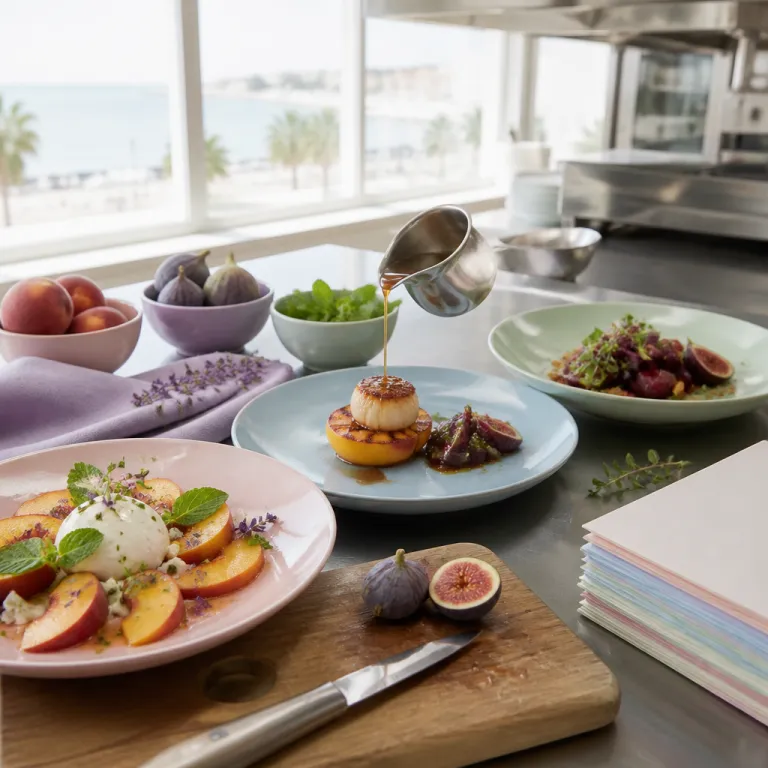
Forville market and the first signals of the autumn season
Walk through Marché Forville at 08:00 and you feel the season changing. The stalls that once overflowed with tomatoes and peaches now lean toward figs, wild mushrooms and the first provencal pumpkins, and this is where cannes restaurants autumn seasonal menu planning quietly begins. For a business traveller extending a stay at a luxury hotel, this market walk is the most efficient way to understand which restaurant kitchens are paying attention to seasonal produce and which are still coasting on a summer menu built for volume.
Listen to the language between producer and chef and you hear the shift in culinary priorities. Hot weather food like chilled melon and barely dressed courgettes gives way to deeper flavours, and the best french chefs here ask what will be at its peak in two weeks rather than tomorrow. That is how a serious menu reflects the market ; it follows the rhythm of the french riviera rather than the rhythm of hotel occupancy.
At the top end of Cannes hospitality, concierges know exactly which genius chef was at Forville before breakfast. When you visit in this in between time year, ask them which menus are changing depending the time of the month and which still read like August greatest hits. Their answers will guide you toward a more interesting dinner and a more nuanced experience of the riviera than any glossy brochure promising perfectly plated fish and a generic view.
For a deeper briefing before you land, read the quartier level perspective in this Cannes eating guide for the genuinely hungry. It explains how the beauty of the market shapes both casual food counters and palace hotel dining rooms across the french riviera. Arrive with that context and you will recognise which autumn seasonal menus are genuinely market led and which are just annotated versions of a summer menu with one token mushroom dish.
Reading a cannes restaurants autumn seasonal menu like a local
Once you sit down, the real test begins with the menu itself. A thoughtful cannes restaurants autumn seasonal menu will show fewer raw tomato dishes and more plates built around ceps, squash, rabbit or line caught fish served with slow cooked provencal vegetables. If the menu reflects only grilled prawns, burrata and tuna tartare, you are still eating in summer even if the terrace breeze feels different.
Look for language that signals seasonal produce rather than vague adjectives. When a chef notes the exact fishing boat, the specific valley for the olive oil or the name of the goat farm, that menu reflects a relationship with suppliers that goes beyond marketing, and it usually means the food will be worth your time. In Cannes, the best restaurant teams treat this shoulder season as a laboratory, testing dishes that would be too subtle for peak summer crowds focused on rosé and speed.
Ask your server which plates change most often depending the time of the week. If they point to a single daily dish, you are seeing a kitchen that responds to the market ; if they mention an entire section of the menu, you have probably found a genius chef who is genuinely excited by this time year on the french riviera. That is where a business dinner can turn into a memorable experience rather than another hotel obligation.
For travellers using a luxury hotel booking website, this is also where written descriptions matter. Properties that highlight their culinary partnerships, their proximity to Marché Forville and their commitment to seasonal produce are signalling more than style, and those details often predict how seriously they take everything from room service to their privacy policy. When you compare options, prioritise hotels where the restaurant narrative clearly shifts between summer and autumn instead of repeating the same safe summer menu language all year.
Long lunches, softened light and where to sit when the heat eases
By late afternoon, the Croisette light softens and the terraces finally feel civilised. This is the moment when a cannes restaurants autumn seasonal menu comes into its own, because richer dishes and slower service suddenly make sense in the cooler air. For a business leisure traveller, it is the perfect time to turn a working lunch into a strategic pause without losing the rest of the day.
Choose a restaurant where the culinary offer stretches beyond the obvious grilled fish and salade niçoise. In September and October, serious french kitchens along the riviera start pairing fresh local squid with roasted fennel, or serving rabbit with olives and polenta instead of the lighter summer dish of carpaccio and citrus, and these plates reward a longer visit. You want a menu that reads like a bridge between seasons, not a nostalgic replay of high summer.
Hotel concierges can steer you toward terraces that stay calm enough for a contract review yet close enough to the sea to remind you why you extended your stay. Ask specifically which menus change depending the time of the season and which chefs are talking about game, truffles or late harvest vegetables, because those details show who is really cooking for this time year. A well chosen lunch here can feel like a private strategy session with the french riviera as your backdrop.
If you are planning a full day of meetings and meals, balance these generous lunches with lighter mornings. The most reliable way is to start with a restrained hotel breakfast or a focused pastry crawl, and this breakfast in Cannes guide maps out exactly where to go. That way, when you sit down to an autumn dinner built around seasonal produce and a more ambitious menu, you still have the appetite and the attention to appreciate the beauty of what the chef is trying to do.
Working with concierges and chefs to secure the right table
In luxury hotels across Cannes, the concierge desk is your best ally in navigating cannes restaurants autumn seasonal menu options. These teams track which restaurant has just hired a new genius chef, which kitchen is quietly rewriting its menu, and which terrace is coasting on reputation. Treat them as culinary consultants rather than gatekeepers and you will eat far better.
When you arrive, be specific about what you want from your food experience. Say that you are interested in a restaurant where the menu reflects the current season, where the chef is working closely with Marché Forville suppliers, and where the wine list has shifted from purely summer rosé to more structured reds and whites, because that language signals you care about seasonal produce. Concierges respond well to this level of detail and will often share which menus change depending the time of the week or which chefs are experimenting with an off menu autumn dish.
For high stakes dinners, ask whether the chef can build a short tasting menu around the day market finds. In many palace hotels on the french riviera, the culinary brigade will happily design a sequence of three or four plates that move from the last of the summer tomatoes to the first wild mushrooms, and this kind of progression shows how a menu reflects the beauty of the season. It also turns a routine business dinner into a narrative that your guests will remember long after the meeting notes fade.
As you browse hotel booking sites, pay attention to how clearly each property explains its restaurant concept and its privacy policy. A hotel that writes precisely about its food philosophy, its sourcing and its commitment to the guest experience usually applies the same care to data protection and service standards, and that consistency matters at this level. For those planning a broader stay that mixes meetings, spa time and serious eating, the end of summer spa retreat guide pairs well with your restaurant planning, because it helps you pace both indulgence and recovery.
Shoulder season value and why this time year matters
Once the festival crowds thin, Cannes becomes a different city for diners. Tables that were impossible in high summer suddenly open up, and cannes restaurants autumn seasonal menu reservations become realistic even at the most sought after addresses. For business travellers used to waiting months for a prime slot, this shoulder season feels like a quiet upgrade.
The value is not only financial, although room rates and tasting menus often soften. The real advantage is time : chefs have more space to talk at the table, sommeliers can guide you through lesser known french riviera producers, and the entire culinary experience slows to a more human pace, which suits extended business leisure stays. You can turn a working dinner into a thoughtful conversation about wine, seasonal produce and regional food culture without feeling rushed by the next seating.
This is also when menus show their true colours. A serious restaurant will retire its summer menu gracefully, keeping perhaps one signature dish while letting the rest of the menu reflect the new season, and that discipline separates committed kitchens from complacent ones. Ask how often the menu changes depending the time of the month and listen carefully to whether the answer sounds rehearsed or genuinely engaged with the market.
For travellers comparing luxury hotels online, look for properties that talk about this time year explicitly in their culinary descriptions. When a hotel explains how its chef moves from light summer dishes to more structured autumn plates, how the menu reflects Marché Forville and how the team values the beauty of the quieter season, you are likely to find a more thoughtful overall experience. Those are the places where the french and international guests at neighbouring tables are not just eating on the riviera but really tasting it.
How summer flavours fade and autumn plates take the stage
Stand at the edge of the Croisette in late afternoon and you can almost taste the shift. The air loses its heavy summer sweetness and the first cooler evenings invite a different kind of dinner, one that suits a cannes restaurants autumn seasonal menu built around depth rather than brightness. For travellers who care about food, this is the most rewarding time year to be here.
In practice, that means moving from barely touched raw vegetables to slow cooked provencal classics. A summer dish might have been a tomato and peach salad with basil and fresh goat cheese, while the autumn version becomes roasted squash with sage, hazelnuts and a richer cheese from the same producer, and that evolution shows how a menu reflects both continuity and change. The culinary thread remains, but the texture and temperature shift to match the season and the softer light of the french riviera.
Hotels that understand this rhythm often run parallel menus for a few weeks. You might see the last of the summer menu offered at lunch, with lighter plates and quicker service, while dinner leans into mushrooms, game and deeper sauces that reward a slower visit, and this dual approach respects guests arriving from different climates and schedules. Ask which dishes the chef is most excited about right now and you will usually be guided toward the plates that best express the beauty of this transitional season.
For business leisure travellers, this is also a strategic moment to build relationships. Inviting a client to share an autumn tasting menu that moves from the last of the summer tomatoes to the first truffles sends a different signal than another generic hotel dinner, because it shows you pay attention to context and timing. On the french riviera, where so much feels staged, that kind of grounded, seasonal experience stands out.
FAQ
How can I tell if a Cannes restaurant really follows the autumn season ?
Check whether the menu mentions specific seasonal produce such as ceps, figs, squash or game, and whether dishes change every one or two weeks. Restaurants that follow the autumn season usually reference Marché Forville suppliers and offer at least one daily plate based on that morning market. If the menu still reads like peak summer with only salads and carpaccio, the kitchen is probably not cooking for the current season.
Which Cannes areas are best for autumn dining near luxury hotels ?
The Croisette concentrates palace hotels with fine dining rooms that take autumn seriously, especially those overlooking the bay. Around Marché Forville and Le Suquet, you will find smaller restaurants where chefs shop the market daily and adjust menus quickly. Staying within walking distance of these two zones gives you the widest range of seasonal options.
Should I book autumn restaurant tables in Cannes in advance ?
Reservations are still recommended, especially for Friday and Saturday dinners or for Michelin starred addresses. However, compared with peak summer, it is easier to secure prime times and terrace tables during the autumn shoulder season. Ask your hotel concierge to hold a few options across your stay so you can adapt plans around meetings.
What type of dishes appear on a cannes restaurants autumn seasonal menu ?
Expect more roasted and braised dishes built around mushrooms, root vegetables, rabbit, duck and richer fish preparations. You will often see provencal classics reworked with autumn produce, such as pumpkin velouté with local olive oil or line caught fish with slow cooked fennel and olives. Desserts tend to move from berries and sorbets toward figs, pears, nuts and warm tarts.
How does autumn affect the overall value of a luxury stay in Cannes ?
Room rates at luxury hotels often ease after the main summer season, and high end restaurants may offer more flexible tasting menus or better value lunch formulas. The real gain is access : you can book sought after tables, talk with chefs and enjoy calmer dining rooms. For business leisure travellers, this combination of quieter hotels and more attentive restaurants makes autumn one of the most efficient times to visit.