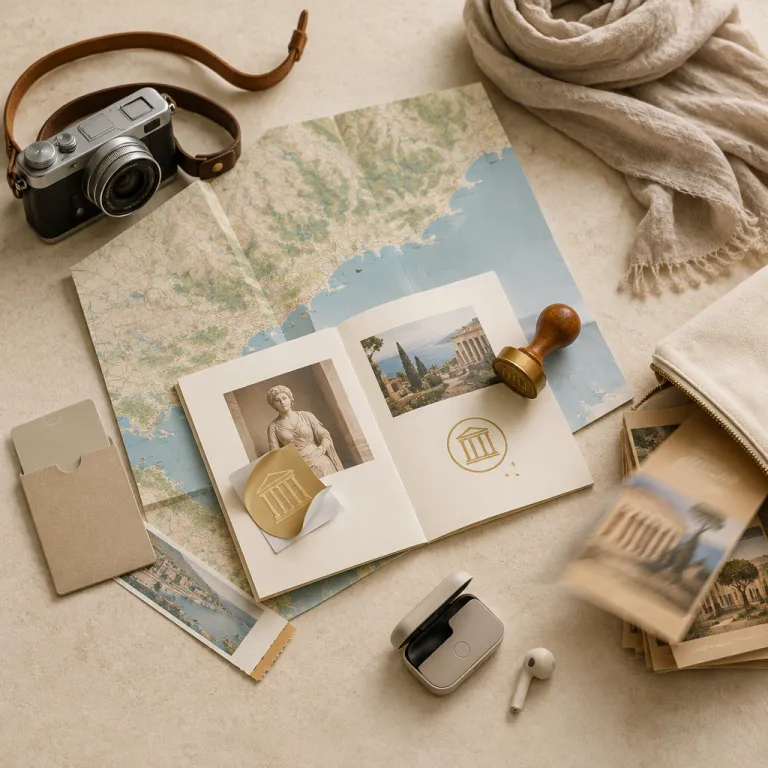
Why Cannes is the smartest base for a Riviera museum trail
Cannes works beautifully as a base for exploring Riviera museums near Cannes art trail highlights. From a well located luxury hotel on La Croisette or in the quieter back streets, you can reach major French Riviera art collections in under an hour by train, car, or boat. The city itself offers enough culture, sea air, and relaxed mer views to keep children engaged between museum days.
The light that drew every major artist to this côte is still the same ; soft mornings over the baie, sharp midday reflections on the yachts, and long golden evenings that turn every photo into a postcard. Painters from Pierre Bonnard to Pablo Picasso, and sculptors who chased the glow over Mont Sainte-Victoire near Aix-en-Provence, all responded to this azur French clarity. Staying in Cannes lets you trace their steps along the Côte d’Azur while returning each night to a familiar house like hotel base with consistent service and family friendly comforts.
Luxury properties in the city understand that guests now want culture as much as a private beach and a sea view. Many concierges can arrange private transfers to a museum in Antibes, to a modern art musée in Nice, or to a quiet hill town such as Saint-Paul-de-Vence. When you plan a Riviera museum trail from Cannes, you can balance serious art days with slow mornings on the sand, or an easy stroll through the old town before dinner.
The artists’ light: from Cannes bay to Antibes and Nice
The coastline between Cannes, Antibes, and Nice forms the core of any Riviera museums near Cannes art trail. In Antibes, the Château Grimaldi houses the Musée Picasso, where the artist worked after the war with the sea and the ramparts just outside. Children respond well to the scale of the town, because the compact streets, the market, and the port full of yachts keep the day varied.
In Nice, the Marc Chagall National Museum and the Musée Matisse anchor a different chapter of French modern art. Both museums sit above the city in residential districts, so you feel a calmer Côte d’Azur rhythm than on the Promenade des Anglais, and families can combine a visit with a park stop or a simple café lunch. The Chagall collection, with its intense blues and biblical scenes, often becomes a first serious art experience for teenagers who already know the artist from school.
From a Cannes hotel, trains to Antibes and Nice run frequently, which makes these museum days easy to plan around naps and early dinners. Staying slightly back from the Croisette, in what we call the everyday luxury of the Carnot side of Cannes, often means quieter nights and better value for family rooms ; our guide to everyday luxury beyond the Croisette explains why this area suits culture focused stays. With this setup, you can move between city museums, seaside walks, and hotel pool time without feeling rushed.
From Antibes to Saint-Tropez: sea facing museums and coastal towns
Heading west from Cannes, your Riviera museums near Cannes art trail naturally curves through Antibes and down towards Saint-Tropez. Antibes Juan-les-Pins offers a double perspective on the French Riviera, with the old town walls facing the mer and the modern yachts in Port Vauban just beyond. The Musée Picasso here shows how the artist responded to the Côte d’Azur light with ceramics, paintings, and drawings that feel rooted in this specific house above the sea.
Further along the coast, Saint-Tropez mixes fishing village scale with international glamour, and its Annonciade Museum focuses on late nineteenth and early twentieth century painters who shaped the image of the Côte. Families can walk from the museum to the harbour in minutes, letting children count yachts while adults talk about pointillism and Fauvism without losing anyone’s attention. Autumn helps ; the town breathes more easily, restaurant reservations are simpler, and hotel rates in Cannes stay more reasonable than in peak summer.
On days when you prefer to stay closer to your Cannes base, private beach clubs offer a softer counterpoint to intense museum visits. Our detailed private beach club guide breaks down which addresses genuinely earn their premium for families. Alternating a culture heavy day in a museum with a slower day on the sand keeps children enthusiastic about the next art stop, rather than feeling dragged from town to town.
Hill towns, modern art, and painter’s gardens above the coast
No Riviera museums near Cannes art trail feels complete without heading inland to the hill towns. Saint-Paul-de-Vence, often shortened to Saint-Paul, became a magnet for artists and writers, and today the Fondation Maeght just above the town holds one of Europe’s key modern art collections. Sculptures sit among pine trees, and families can move between indoor galleries and outdoor terraces, which helps younger visitors stay engaged.
Nearby, Vence and the surrounding countryside link your coastal base in Cannes to the wider story of French art. The Chapelle du Rosaire, designed by Henri Matisse in Vence, shows how a single artist could transform a modest religious space with light, colour, and line, while the town streets still feel lived in rather than staged. Further along the coast, Cap Ferrat and Villefranche-sur-Mer offer elegant walks, Belle Époque villas, and sea views that explain why so many painters settled along this stretch of the French Riviera.
To the east, Monaco adds another layer, with its own museums and a very different city state atmosphere. A day here can combine a visit to a musée with a stroll around the port, where children inevitably compare the yachts to those in Cannes and Antibes. When you return to your hotel in Cannes after these excursions, the city’s more relaxed scale and softer evening light feel like a welcome reset.
Planning an autumn culture route from a Cannes luxury base
Autumn is the most comfortable season to follow a Riviera museums near Cannes art trail from a single Cannes base. The light stays bright enough for coastal walks and photo stops, yet the heat softens, which makes town visits and museum days easier with children. Galleries in Nice, Antibes, and the hill towns feel calmer, and trains along the Côte d’Azur are usually less crowded.
When you choose a luxury or premium hotel in Cannes, think about how you will move between art, sea, and rest. Properties slightly back from the Croisette often offer larger rooms, quieter nights, and easier access to the station, while seafront addresses give instant mer views and quick access to the sand after a long day in a musée. Our overview of where to book the most refined hotels in southern France helps you match neighbourhoods to your family’s rhythm.
For a deeper extension of the trail, some families add a day in Aix-en-Provence to connect the coastal story with Paul Cézanne and Mont Sainte-Victoire. The landscape around Aix-en-Provence shows how the same azur French light that hits the mer in Cannes also shapes the inland hills, and older children often enjoy comparing these views with the paintings they have seen. Whether you focus on Picasso in Antibes, Marc Chagall in Nice, Pierre Bonnard in Le Cannet, or the Renoir Museum in Cagnes-sur-Mer, using Cannes as your base keeps the logistics elegant and the experience genuinely enriching.
Extending the trail: Bonnard, Renoir, and quieter corners of the Riviera
Once you have covered the headline stops, a Riviera museums near Cannes art trail can shift into more intimate territory. In Le Cannet, just above Cannes, the Musée Bonnard celebrates Pierre Bonnard’s relationship with the Côte d’Azur and the house he kept there, with works that glow with domestic light and garden colour. This Bonnard museum visit pairs well with a slow lunch in the town, where the atmosphere feels more local than on the Croisette.
North along the coast, Cagnes-sur-Mer offers another essential stop at the Renoir Museum, set in the artist’s final house among olive trees. Here, families can move between the studio, the garden, and views down to the mer, which makes the story of Impressionism feel tangible rather than abstract. The surrounding town of Cagnes-sur-Mer also gives a sense of everyday life on the French Riviera, away from the more polished city centres.
For travellers who want to connect all these threads, it helps to think of the region as a series of linked musées, towns, and landscapes rather than a checklist. From Monaco to Saint-Tropez, from Cap Ferrat to Villefranche-sur-Mer, and from Saint-Paul-de-Vence to Aix-en-Provence, each stop adds a layer to the same Côte d’Azur narrative. With Cannes as your constant base, you can shape that narrative at your own pace, balancing serious art with sea air, good food, and the simple pleasure of returning to the same room each night.
FAQ
Is Cannes a good base for visiting Riviera art museums with children ?
Cannes works very well as a base for families interested in art. Train and road links make day trips to Antibes, Nice, Cagnes-sur-Mer, and the hill towns straightforward, so you can keep travel times short. The city also offers beaches and relaxed promenades, which balance museum visits with unstructured play.
Which Riviera museums near Cannes are most family friendly ?
Families usually respond well to the Musée Picasso in Antibes, the Marc Chagall Museum in Nice, and the Renoir Museum in Cagnes-sur-Mer. Each combines manageable scale with outdoor space or sea views, which helps younger visitors stay engaged. The Bonnard Museum in Le Cannet is also a gentle introduction to modern art, thanks to its domestic setting.
Do I need a car to follow a Riviera museum trail from Cannes ?
A car offers flexibility, especially for hill towns such as Saint-Paul-de-Vence or Vence. However, many key museums in Antibes, Nice, and Cagnes-sur-Mer are reachable by train or bus from Cannes, which suits visitors who prefer not to drive. Taxis or private transfers can bridge the final distance from stations to museums when travelling with children.
When is the best season to explore Riviera museums from Cannes ?
Autumn and late spring usually offer the best balance of light, temperature, and crowd levels. During these periods, galleries feel calmer, transport is less busy, and hotel rates in Cannes are often more favourable than in high summer. The softer weather also makes walking between museums, towns, and seafronts more comfortable for families.
How many days should I plan for a Cannes based art itinerary ?
A stay of five to seven nights allows time for several museum days and some slower beach or pool days. With this rhythm, you can visit Antibes, Nice, Cagnes-sur-Mer, and at least one hill town without rushing. Longer stays make it easier to add a day trip to Aix-en-Provence or Saint-Tropez while still enjoying relaxed evenings in Cannes.