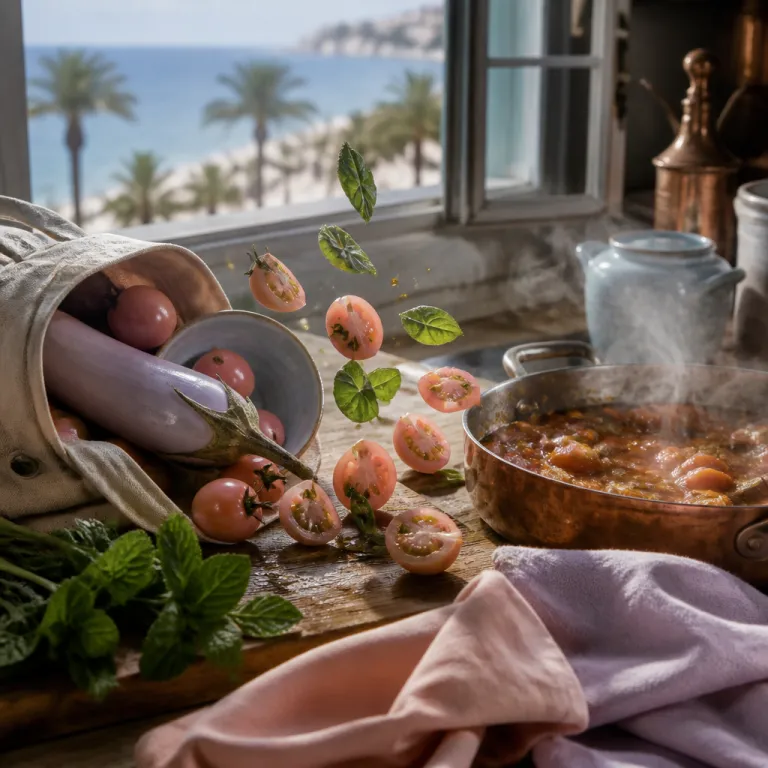
Why a Cannes cooking class in Provençal cuisine belongs in your hotel plans
Booking a luxury stay in Cannes is no longer only about sea views and suites. A well chosen Provençal cooking class in Cannes can be the quiet highlight of a trip, especially for families who want their children to taste the French Riviera rather than just photograph it. When you weave hands on cooking into your hotel itinerary, the city’s markets, local chefs and Mediterranean light suddenly feel like part of your own kitchen rather than a backdrop.
High end hotels across Cannes now treat culinary experiences as seriously as spa menus, offering private classes, chef’s table dinners and tailor made food experiences that start at the Marché Forville stalls. This shift reflects a wider growth in culinary tourism in the Provence region, where guests expect to learn local techniques, understand seasonal produce and return home with more than a few photos of Provençal dishes. For premium family travelers, a structured cooking class becomes shared entertainment, cultural education and dinner, all wrapped into one polished experience.
When you choose a Cannes culinary workshop in local Provençal cuisine through a luxury property, you also gain logistical ease and trusted curation. Concierge teams vet local chefs, coordinate transfers to markets, and ensure that vegetarian guests, children and serious French cooking enthusiasts all feel equally considered. As one concierge at a Croisette hotel notes, “Our guests remember the morning at the stove long after they forget which suite they booked.” The result is a culinary class that respects the pace of a Riviera holiday while still teaching you how cuisine Provence works, from olive oil choices to the artful balance between fresh ingredients and exquisite wines.
Forville market: the pantry for your Provençal food cooking class
Marché Forville is where a Cannes cooking class in Provençal cuisine truly begins. The covered hall sits a short walk from many Croisette hotels, yet it feels rooted in a different rhythm, one defined by crates of seasonal produce and the voices of market vendors who know their regulars by name. Wear comfortable shoes, bring a shopping bag and arrive early for the best selection, because this is the pantry for serious food experiences.
In peak tomato season, your instructor will likely steer you toward sun warmed coeur de bœuf tomatoes, basil and local olive oil for pan bagnat or a simple salade niçoise that still respects cuisine Provence traditions. Autumn classes might focus on wild mushrooms, pumpkins and sturdy herbs, while winter mornings highlight citrus, artichokes and the sturdy greens that anchor many Provençal dishes. Guided market tours often pause at stalls where local producers explain how the region’s soil and sea breezes shape Provençal food, turning a shopping list into a geography lesson.
Many luxury hotels partner with Cannes Cooking Club or similar operators such as La Serviette Blanche to combine market visits with hands on cooking classes, so your Cannes Provençal cooking experience may already include a Forville tour. Expect small group visits, usually six to ten guests, with prices for combined market and kitchen sessions typically starting around €120–€150 per person depending on season and menu. To prepare, read a focused Cannes eating guide such as this market to terrace overview and note which socca, pissaladière or ratatouille stalls appeal to you. Sharing these preferences with your local chefs before the class helps them tailor the food cooking plan, whether your family leans toward vegetarian plates, seafood heavy dinners or a mix of both.
Key Provençal dishes and how classes bring them to life
A well structured Cannes cooking class in Provençal cuisine usually focuses on a handful of emblematic dishes rather than an overwhelming menu. Socca, the chickpea flatbread baked in a blistering oven, often appears first because it teaches heat control and the importance of fresh ingredients in simple Provençal food. Pissaladière, with its slow cooked onions, anchovies and olives, shows how patience and low cooking temperatures build deep flavours from very few elements.
Ratatouille is a staple of many cooking classes because it embodies the region’s respect for seasonal produce and careful knife work. Bouillabaisse, when included, tends to appear in more advanced classes or private sessions, as it requires precise timing and an understanding of local fish varieties from the French Riviera. In every class, instructors emphasise that you do not need prior experience, since sessions are designed so that beginners and confident home cooks can work side by side, and that the focus stays on traditional Provençal recipes like ratatouille and bouillabaisse rather than overly fussy restaurant dishes.
Families often appreciate how these dishes can be adapted for vegetarian guests without losing their Provençal identity, especially when local chefs highlight which elements are essential and which can flex. Between stirring sauces and tasting olive oils, you will hear stories about how cuisine Provence evolved from fishermen’s suppers and farmers’ lunches into today’s polished restaurant dinners. For more context on how reservations and relationships shape the wider dining scene, it is worth reading about how the Cannes restaurant scene rewards patience and connections before you choose where to taste these same dishes outside the classroom.
Choosing the right Cannes cooking class for your luxury stay
For guests booking premium hotels, the first decision is whether to opt for an in house Cannes cooking class in Provençal cuisine or an independent school in town. Hotel based classes offer privacy, flexible timing and the comfort of staying within your property, which suits families with younger children or multigenerational groups. Independent cooking classes, often run by local chefs in dedicated kitchens, may provide a wider range of menus, from vegetarian focused cuisine to seafood heavy dinners that mirror the French Riviera coastline.
Look closely at class size, as smaller groups around eight to ten participants allow more hands on cooking and direct feedback on your French cooking techniques. Data from operators such as Cannes Cooking Club indicate that an average group of about ten guests balances social interaction with individual attention, which matters when you want to learn local skills rather than simply watch a demonstration. Ask whether the class includes a market visit, tasting sessions and a sit down dinner, since these elements turn a simple lesson into a full culinary experience that justifies the time away from the beach or spa.
Many luxury concierges can arrange themed cooking classes that align with your interests, whether that means Provençal cuisine for beginners, advanced classes on regional dishes, or sessions focused on pairing exquisite wines with Provence food. Some programs highlight food experiences built around seasonal produce, while others emphasise food cooking techniques such as knife skills, sauce work or pastry. If your hotel stay already includes wellness elements, consider pairing your class with a restorative afternoon by choosing a property known for its spa offering and consulting guides to Cannes spa and wellness hotels with premium experiences that complement a rich dinner.
Olive oil, wines and the flavours that define cuisine Provence
No Cannes cooking class in Provençal cuisine is complete without a close look at olive oil and wine, the quiet foundations of so many regional dishes. Many instructors source oils from nearby hills around Mougins and Grasse, explaining how different groves in the Provence region yield distinct flavours, from grassy and peppery to soft and buttery. Tasting these side by side with Provençal food such as pan bagnat, grilled vegetables or simple regional plates of tomatoes and basil teaches you how fresh ingredients and oil quality shape every bite.
Wine pairings in these classes often move beyond the expected pale rosé to include structured Bandol reds and mineral Bellet whites from the hills above Nice. Instructors may pour a flight of exquisite wines while you plate your dinner, showing how each glass interacts with the cuisine Provence flavours of garlic, herbs and olive oil. This is where the French Riviera’s reputation for leisurely lunches meets serious culinary education, and where guests start to understand why food experiences here feel different from other coastal regions.
Some programs weave in stories of chefs with dual influences, such as a Mediterranean Scottish background, to illustrate how international perspectives can still respect local traditions. Over the course of several cooking classes, guests often form lasting friendships with fellow participants, sharing recipes, restaurant tips and plans to return to Cannes. By the time you leave, you will not only have mastered a few signature Provençal cuisine recipes but also learned how to select oils, wines and seasonal produce that bring a touch of the region into your own kitchen at home.
How Cannes hotels curate culinary experiences for families
Luxury and premium hotels in Cannes increasingly treat culinary programming as a core part of their identity, not an optional extra. Many properties partner with local chefs listed as instructors for Cannes Cooking Club, integrating a Cannes cooking class in Provençal cuisine into family packages or long weekend stays. These collaborations support local producers, align with the city’s emphasis on sustainable sourcing and give guests a direct line to the region’s food culture.
For families, the most successful experiences tend to combine structure with flexibility, such as morning market visits, midday cooking sessions and relaxed afternoon meals. Hotels often schedule classes to avoid the hottest hours, provide child friendly tasks like washing herbs or shaping dough, and ensure that vegetarian options sit naturally alongside seafood and meat dishes. Because cooking classes typically last three to four hours including the meal, concierges can build the rest of your day around them, balancing beach time, spa appointments and evening walks along the Croisette.
Some properties go further by inviting guest instructors such as Suzanne Kay or other named chefs for limited series, creating themed weekends that blend art food events, wine tastings and hands on cuisine Provence workshops. Over repeat visits, guests may return to the same cooking class format, deepening their skills and relationships until the kitchen feels like an extension of their suite and the staff feel like lasting friendships. In this way, a Cannes cooking class focused on Provençal cuisine becomes part of your personal map of Cannes, as essential as your preferred room category or favourite table facing the harbour.
FAQ
How long does a typical Cannes Provençal cooking class last ?
Most Cannes cooking classes focused on Provençal cuisine run for three to four hours. This usually includes a guided visit to Marché Forville or another local market, followed by hands on cooking and a shared meal. Some hotel based private classes may be slightly shorter, especially when tailored for younger children.
Do I need prior cooking experience to join a class ?
You do not need any previous cooking experience to enjoy these classes. Instructors design the sessions so that beginners, confident home cooks and teenagers can all participate comfortably. Tasks are divided by skill level, and safety, clear explanations and tasting are always prioritised.
Which Provençal dishes are usually taught in Cannes classes ?
Core dishes often include ratatouille, socca, pissaladière and pan bagnat, as well as simple fish or vegetable plates that highlight seasonal produce. Some programs add bouillabaisse or more advanced seafood dishes when time and group skills allow. Menus change with the seasons, so spring and summer classes look different from autumn and winter sessions.
Are vegetarian guests well catered for in Cannes cooking classes ?
Vegetarian guests are generally very well served, because Provençal cuisine relies heavily on vegetables, herbs and olive oil. Many classes can adapt menus to remove meat or fish while keeping the same core techniques and flavours. It is still wise to inform your hotel or school of dietary needs when booking.
Can children take part in Cannes hotel based cooking experiences ?
Children are welcome in many hotel based cooking classes, especially those designed for premium family travelers. Chefs assign age appropriate tasks such as washing produce, stirring sauces or shaping dough, while adults handle knives and hot pans. Some properties even offer dedicated family sessions so younger cooks can learn local recipes without pressure.