Reading the port: how luxury travelers really find fresh fish
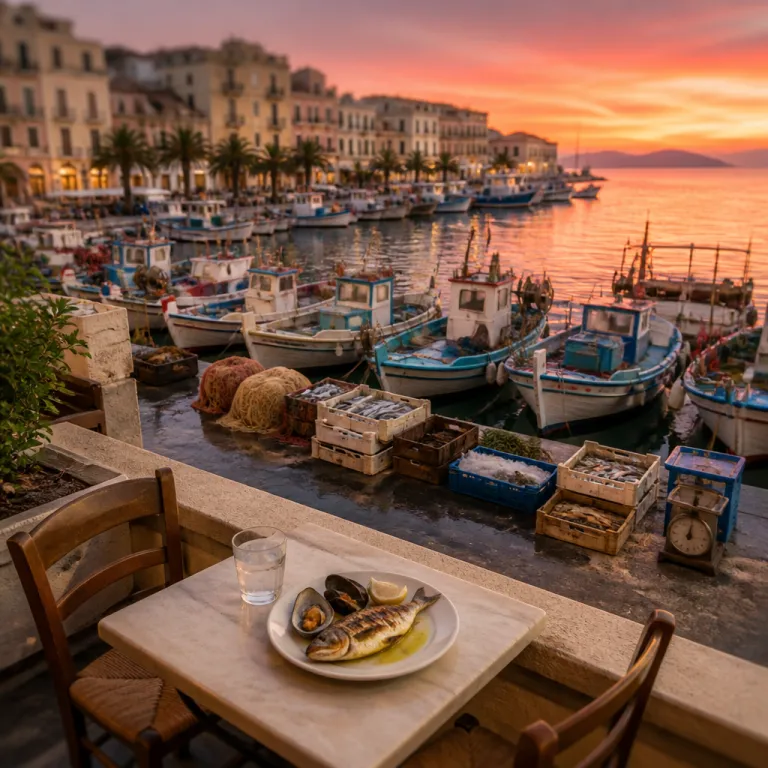
Step onto Quai Saint-Pierre just after sunrise and you immediately sense whether Cannes seafood restaurants are serving the morning’s catch or yesterday’s leftovers. From around 6:00 to 8:30 a.m., local fishermen edge their boats against the quay, unloading crates of glistening fish while hotel concierges quietly take notes for that evening’s menus. If you care about traceability and want to eat genuinely fresh fish in Cannes, this is where your search should begin.
The rhythm is simple yet precise: boats return, wholesalers choose, then Marché Forville opens with its stalls of Mediterranean seafood. The covered market typically runs from about 7:30 a.m. to 1:00 p.m. Tuesday to Sunday, with Mondays often reserved for antiques rather than food. You see sea bass, red mullet, scorpion fish and the occasional tray of frozen prawns clearly labeled, which matters when you later read any review that claims great seafood without naming species. Ask which stall supplies your hotel’s restaurant, because the best properties proudly point to a specific family boat or market table rather than a vague “Mediterranean selection”.
For a skeptical gourmand, the perfect routine is almost ritualistic. Walk from your luxury hotel to the port, note which dining rooms are buying whole fish and which rely on anonymous fillets that could be days old, then choose your lunch reservation accordingly. This habit turns every plate of grilled sea bass or fried squid into a documented experience rather than a marketing promise, and it helps you identify favorite restaurants that respect the sea instead of just the view of the beach.
Traceability also shapes how you interpret tempting prices on a menu. A cheap eats formula for fried fish can be excellent if the restaurant names the boat and landing time, but suspicious when the origin is vague. When a maître d’ can calmly explain whether your catch was landed at Cannes or trucked overnight from Spain, you are in the right dining room. One veteran maître d’ near the Vieux Port sums it up simply: “If I know the boat, I can look you in the eye when I recommend the fish.”
Serious hotels now brief their concierges on this port-to-plate story. On a premium booking platform, look for property descriptions that mention partnerships with local fishermen rather than generic “seafood restaurants nearby”, because that detail usually predicts better quality and more honest service. It also means the team can confidently recommend a specific brasserie or fish bistro for lunch where they know exactly which stretch of coast your oysters came from.
From Marché Forville to the plate: decoding freshness like a local
Marché Forville is where bold claims about fresh seafood in Cannes are quietly verified every morning. Under the covered hall, vendors arrange fish and shellfish on crushed ice, and you can watch chefs from Astoux et Brun (2 Rue Louis Blanc, near Rue Félix Faure) or La Perle (13 Rue Louis Blanc, close to the Vieux Port) inspecting gills, eyes and texture before committing to a purchase. The market runs from early morning until around 13:00, with Mondays often reserved for antiques rather than food, so time your visit accordingly.
The most reliable sign of quality is movement: restaurants that send their équipe early for whole fish usually serve better lunch and dinner than those that arrive when only frozen options remain. You will notice that the same chefs return to the same stalls, building long-term relationships that translate into consistent sourcing and more transparent pricing. This is why the advice “Where to buy fresh seafood in Cannes? Marché Forville offers fresh catches daily.” remains the single most useful sentence for any seafood-focused traveler.
Use the market to benchmark menus before you reserve table options through your preferred booking website. If sea bass is abundant and reasonably priced at the stalls, a restaurant charging a steep premium without specifying origin or weight probably values margin over experience. As a rough guide, a whole grilled local sea bass for two at a straightforward brasserie might sit around €55–€70, while a luxury terrace can charge significantly more for the same species. By contrast, a modest-looking address that lists the day’s catch with boat names and landing times deserves a detailed review and your repeat business.
For a deeper culinary experience, pair your market walk with a serious meal from a guide that understands this ecosystem. The most useful overview of how chefs move from Forville’s slabs to Michelin terraces is captured in this Cannes eating guide for the genuinely hungry, which helps you connect specific stalls to specific dining rooms. When your hotel’s concierge can map that same route for you, you know you are in expert hands.
Even if you are traveling with family, this market ritual can be part of a relaxed morning. Children tend to love the spectacle of the sea brought ashore, and it gives context when they later see oysters or fried fish on a plate at lunch. For business travelers extending a stay, this quiet hour at Forville often becomes the scouting mission that shapes the rest of the trip.
Quick checklist: how locals check freshness at Marché Forville
– Eyes: bright, clear and slightly convex, never cloudy or sunken.
– Gills: moist and red rather than brown or grey.
– Smell: clean and marine, not aggressively “fishy”.
– Flesh: firm to the touch, bouncing back when pressed.
– Ice: fish resting on fresh, crushed ice, not melting puddles.
Bouillabaisse, raw bars and the honest port-side tables
Traceability matters most when you move from simple grilled fish to complex dishes like bouillabaisse. In Cannes, fresh fish is the non-negotiable foundation of any serious bouillabaisse, which should feature rock fish such as rascasse and scorpion fish served in two services with a proper rouille. When a restaurant offers a bouillabaisse tasting menu, ask exactly which species they are using and whether the broth is built from whole bones or shortcuts. Expect to see a minimum price per person, often from about €45–€60, reflecting the quantity and quality of fish required.
Port-side addresses around the Vieux Port often provide the most transparent experience, even when the décor is modest and the dining room feels almost canteen-like. These restaurants may not have palace-level service, but they usually offer generous platters at fair prices, especially at lunch when fishermen’s families take their own table. When you read any review that praises a “traditional bouillabaisse”, look for details about species, texture and the balance between sea and saffron rather than just adjectives like excellent or perfect.
Raw bar culture has grown fast in Cannes, with places such as Astoux et Brun on Rue Félix Faure and La Perle near the Vieux Port building reputations on oysters and shellfish. Here, traceability is visible on the platter: labels for each origin, clear information on whether something is fresh or previously frozen, and staff who can recommend specific oysters for your taste. A serious seafood restaurant will happily explain why one platter costs more, and why they highly recommend a particular sea bass ceviche or carpaccio on that day. A typical dozen oysters might range from about €24 for classic fines de claire to €40 or more for premium speciales or large Gillardeau-style shells.
Behind the polished terraces, reservations can be surprisingly tactical. The most coveted seafood restaurants often hold back a table or two for concierges who understand the system described in this analysis of how Cannes’ restaurant scene rewards patience and connections. When your hotel uses those relationships to secure a last-minute seat at a favorite raw bar, that is a genuine value add rather than a marketing line.
For travelers who prefer cheap eats, the port still offers options that respect the sea. Look for short menus focused on grilled or fried fish, a concise list of daily specials and a blackboard listing of the day’s catch rather than laminated catalogues. These places rarely have Instagram-ready interiors, but they often deliver the most honest plates of fish in town. A lunch menu built around sardines, small local mackerel or fish-and-chips style cod can sit comfortably under €25, especially at weekday service.
Choosing the right hotel when seafood is your priority
On a luxury and premium booking site, the difference between a sea-view room and a true seafood-focused stay lies in the details. Properties that take fresh local fish seriously usually mention partnerships with Cannes fishermen, proximity to Marché Forville and a concierge team trained to secure tables at specific restaurants. When you read hotel descriptions, treat any vague reference to “great restaurants nearby” as a prompt to ask sharper questions.
Start with the basics: does the hotel’s own restaurant list the provenance of its seafood, and can the staff explain whether the sea bass or oysters were landed locally? If the answer is yes, you are more likely to find excellent quality at both breakfast and lunch, from smoked fish platters to simple grilled fillets. Ask whether the chef offers a tasting menu built around the morning’s catch, because that usually signals a kitchen confident in its suppliers and its relationships at the port.
Concierge culture is your strongest ally in this city. A serious team will not just recommend coming to the same famous seafood restaurant every night, but will instead curate a rotation of favorite addresses that match your schedule, budget and appetite for experimentation. They should be able to secure a perfect table at a beach club for a relaxed family lunch one day, then a more formal dining room with white tablecloth service the next. As one Cannes concierge puts it, “Our job is to match the right fish to the right guest on the right day.”
Well-run hotels also understand that wellness and gastronomy now intersect. Some properties pair light seafood dining with spa programs, and the most thoughtful examples are profiled in this feature on a spa season that bridges treatment room and beach club. When a hotel can align its kitchen, spa and concierge recommendations around the same respect for the sea, your overall experience feels coherent rather than improvised.
For business-leisure travelers, this alignment saves time and reduces risk. After a day of meetings, you want great seafood without having to scroll through every review or debate which restaurants are still serving fresh fish after a late arrival. A hotel that anticipates this need and quietly holds a reserve table at a trusted brasserie or raw bar is worth prioritizing on any booking platform.
Sustainability, pricing and how to read a Cannes seafood menu
Overfishing in the Mediterranean means that bold promises about fresh fish must now be balanced with sustainability. Responsible chefs work closely with local fishermen to avoid pressure on vulnerable species, choosing underused fish such as pout or horse mackerel and adjusting menus when the sea is quiet. As a guest, you can support this by accepting that a generous selection one week may become a shorter list the next. Many kitchens now consult regional catch reports and follow guidance from organizations that promote sustainable fishing, including schemes such as the Marine Stewardship Council (MSC) for certain certified species.
When you sit down in any seafood restaurant, the menu becomes your primary traceability document. Look for clear indications of origin, seasonal notes and whether items are fresh or previously frozen, especially for species that cannot be landed daily. A transparent restaurant will happily explain why certain fish are priced higher, and why some dishes count as cheap eats while others reflect the true cost of sustainable fishing.
Pricing also reveals how a restaurant thinks about its clientele. Places that offer great prices on a fixed lunch built around grilled sea bass or fried fish, while keeping à la carte options for more elaborate dining, usually understand both family budgets and business expense accounts. When staff can recommend coming back on a different day for a special catch, you are dealing with a team that respects repeat guests rather than one-off tourists.
Service style matters as much as sourcing. In the best dining rooms, servers can highly recommend specific oysters or a particular platter because they have tasted them that morning, not because they are pushing stock. They will suggest a tasting menu only when it genuinely showcases the sea, not as a default upsell for every table.
For the skeptical gourmand, the goal is not perfection every night but informed choice. By reading the port, the market, the menu and the service with the same critical eye, you turn each meal into a considered experience rather than a gamble. Over time, this approach builds your own private list of favorite restaurants in Cannes, each one anchored in a clear, honest relationship with the sea.
Questions to ask a maître d’ before ordering
– Which fish on today’s menu was landed at Quai Saint-Pierre this morning?
– Can you tell me the boat or fisherman for this sea bass or dorade?
– Is this dish made from fresh or previously frozen seafood, and why?
– Do you change the menu when certain species are overfished or unavailable?
– If I return later this week, which day is best for your full seafood selection?
FAQ
What is bouillabaisse and where should I try it in Cannes ?
Bouillabaisse is a traditional Provençal fish stew built from rock fish, aromatic vegetables and a saffron-rich broth served with rouille and toasted bread. In Cannes, focus on port-side restaurants that list specific species such as rascasse and scorpion fish, and that explain whether the fish were landed locally that morning. Avoid places that treat bouillabaisse as a generic seafood soup without naming the fish or the preparation.
When and where can I find the freshest seafood in Cannes ?
The freshest seafood appears in the morning when local fishermen return to Quai Saint-Pierre and supply Marché Forville. Visiting the market early lets you see which restaurants and hotels are buying whole fish and building their menus around the day’s catch. This is why the guidance “Where to buy fresh seafood in Cannes? Marché Forville offers fresh catches daily.” remains accurate for both residents and visitors.
Do I need to reserve a table at popular seafood restaurants ?
Reservations are strongly advised for well-known seafood restaurants, especially near the Vieux Port and along the Croisette. Many of these dining rooms are small, and locals compete with visitors for the same great seafood at lunch and dinner. As one local guideline puts it, “Are reservations needed for seafood restaurants? Yes, especially during peak tourist seasons.”
How can I tell if a seafood restaurant is sourcing sustainably ?
Look for menus that mention local species, seasonal availability and, when relevant, certifications such as MSC for certain fish. Staff should be able to explain which species are abundant, which are avoided due to overfishing and whether any items are frozen for safety or seasonality. Restaurants that change their offerings frequently and are transparent about origin usually take sustainability more seriously.
Which Cannes areas are best for seafood focused stays ?
For travelers who prioritize seafood, staying near the Vieux Port or within walking distance of Marché Forville offers the best access to fresh fish and honest restaurants. These neighborhoods let you move easily between the fishermen’s quay, the market and a range of seafood restaurants from cheap eats to refined dining rooms. Many luxury hotels in these areas also maintain strong relationships with local fishermen, improving both the hotel restaurant and the concierge’s external recommendations.