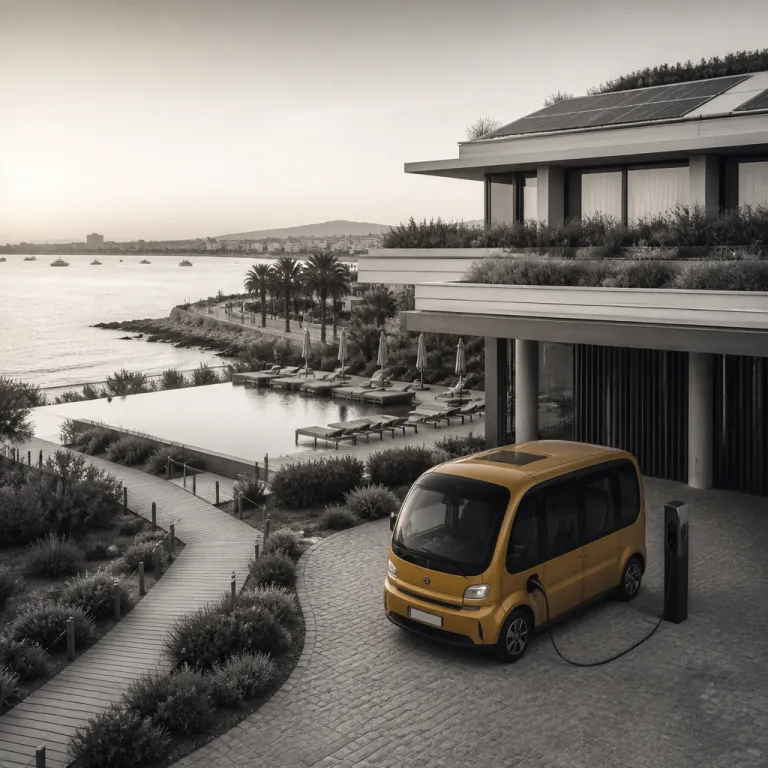
Why sustainable luxury now defines premium hotel booking in Cannes
Luxury travelers to Cannes now expect refined comfort aligned with responsible values. High end properties along La Croisette are investing heavily in energy efficiency, water management, and low impact design to meet these expectations. For guests using an upscale Cannes hotel reservation platform, sustainability has become a decisive filter rather than a pleasant extra.
On leading booking platforms, you will increasingly see clear labels for eco certified hotels, transparent information about carbon reduction, and details on local community engagement. This shift reflects a broader change in Riviera travel, where discerning visitors want Riviera glamour but also reassurance that their stay respects the Mediterranean environment. When you compare options online, the most advanced hotels now present sustainability reports alongside spa menus and rooftop bar photos.
In Cannes, this evolution is especially visible in five star properties that once focused only on opulence. Many of these hotels now highlight renewable energy use, smart building management systems, and partnerships with regional environmental organizations. As a guest, you can still expect marble lobbies and private terraces, but behind the scenes your chosen hotel may be running on green electricity and optimized climate control. For example, several seafront properties now publish annual sustainability summaries that outline their carbon footprint, energy mix, and progress on water savings, giving travelers a clearer view of what sustainable luxury means in practice.
How to read sustainability signals on a Cannes booking website
When you browse a luxury and premium hotel booking website in Cannes, sustainability information can feel fragmented. Some hotels promote a single green initiative, while others present long lists of technical measures that are hard to interpret. To make confident choices, focus on a few clear signals that indicate serious long term commitment rather than marketing language.
Look first for recognized certifications such as Green Key, EU Ecolabel, or EarthCheck, which require regular audits and measurable progress. A hotel that publishes its energy consumption per square metre, water savings, and waste diversion rates is usually more advanced than one that only mentions towel reuse. On detailed property pages, pay attention to whether sustainability is integrated into room design, restaurant sourcing, and spa operations, not confined to a single environmental page.
Many travelers researching five star hotels in Cannes with panoramic sea views now compare sustainability features as carefully as room categories. A helpful resource is this guide to the elegance of five star hotels in Cannes, which explains how top properties combine Riviera charm with more responsible practices. When a booking website presents these details in a structured, comparable format, it becomes far easier to align your stay with your environmental priorities and to identify hotels that are genuinely future ready rather than simply rebranding existing services.
Energy, water, and waste: what sustainable luxury looks like in practice
Behind every polished lobby in Cannes, there is a complex technical system that shapes the environmental footprint of your stay. The most forward thinking luxury hotels now use high performance insulation, LED lighting, and intelligent building management to reduce energy use without compromising comfort. Guests often notice only the stable room temperature and soft lighting, while the real innovation happens in the control rooms and on the roof.
Water management has become critical on the Côte d’Azur, where seasonal demand peaks during major events and summer holidays. Many premium hotels now install low flow fixtures, reuse greywater for garden irrigation, and monitor consumption per guest night to identify savings. In kitchens and bars, staff are trained to minimize water waste during cleaning and preparation, which quietly reduces the overall impact of each breakfast buffet and evening cocktail.
Waste reduction is another pillar of sustainable luxury, especially in large resort style properties with multiple restaurants and pools. Some Cannes resort hotels, as highlighted in this overview of refined resort stays and premium experiences, now separate organic waste, recycle glass and plastics, and work with local partners to upcycle materials. One hotel near the Old Port, for instance, has introduced a comprehensive recycling program and eliminated most single use plastics in guest rooms, demonstrating how operational changes can support a more circular approach to hospitality on the Riviera.
Local sourcing, gastronomy, and the new Riviera luxury
Dining has always been central to the Cannes experience, from beach clubs to Michelin starred restaurants. Sustainable luxury now reshapes this gastronomic scene, as hotels prioritize local producers, seasonal menus, and reduced food waste. For travelers, this means more authentic flavours from Provence and the Mediterranean, with a smaller environmental footprint.
On a premium booking website, you may notice hotel descriptions that highlight partnerships with nearby organic farms, regional fisheries, and artisanal bakeries. These details are not only marketing elements; they indicate shorter supply chains, fresher ingredients, and lower transport emissions. When a hotel commits to such sourcing, it often also trains its culinary team in portion control, creative use of leftovers, and accurate demand forecasting to limit buffet waste.
Guests who care about sustainability increasingly choose hotels where the restaurant tells a local story rather than importing luxury ingredients from distant regions. Some properties now host tasting events focused on Côte d’Azur wines, olive oils, and cheeses, which support small producers while enriching the guest experience. When you filter hotels on a booking platform, paying attention to these gastronomic commitments can help you align indulgence with responsibility and discover a more grounded expression of Riviera luxury.
Design, wellness, and low impact comfort in Cannes hotels
Room design in Cannes luxury hotels is gradually shifting from heavy materials toward lighter, more sustainable choices. Many properties now favour certified wood, recycled textiles, and low VOC paints that improve indoor air quality. This approach allows guests to enjoy elegant interiors while reducing exposure to unnecessary chemicals and supporting responsible supply chains.
Wellness areas also reflect this evolution, as spas integrate natural cosmetics, energy efficient saunas, and water saving hydrotherapy equipment. Some hotels offer yoga on shaded terraces, guided coastal walks, or cycling routes instead of only energy intensive facilities. These options appeal to travelers who want to maintain healthy routines while limiting the environmental cost of their leisure activities.
In public spaces, designers increasingly use large windows, natural ventilation, and shading to reduce reliance on mechanical cooling. This bioclimatic thinking is particularly relevant in Cannes, where the Mediterranean climate offers many opportunities for passive comfort strategies. When a booking website highlights such design features, it signals that the hotel has considered sustainability from the blueprint stage rather than as an afterthought, and that low impact comfort is embedded in the overall guest experience.
Choosing future ready luxury: how booking platforms in Cannes are changing
The way you book a luxury stay in Cannes is evolving as quickly as the hotels themselves. Leading platforms now integrate filters for eco certifications, electric vehicle charging, and low carbon transport access. This helps travelers compare not only room sizes and sea views but also the long term impact of their choices.
Some booking websites collaborate directly with hotel sustainability teams to verify data on emissions, water use, and community projects. When this information is updated regularly, it allows guests to reward properties that make measurable progress rather than only polished promises. A notable example of this new approach is the coverage of a new kind of luxury by the Old Port, where design, location, and environmental considerations are presented together.
As expectations rise, luxury and premium hotel booking websites in Cannes that provide transparent, comparable sustainability data will gain trust and loyalty. Travelers will increasingly favour platforms that explain criteria clearly, avoid vague labels, and highlight both achievements and remaining challenges. This transparency supports a virtuous circle, where informed guests encourage hotels to keep investing in more sustainable Riviera hospitality and to share concrete performance indicators instead of generic claims.
Key figures shaping sustainable luxury hotel trends in Cannes
- The city of Cannes reports that more than 40 percent of its hotel capacity is now classified in the four and five star segment, which concentrates most sustainability investments in energy efficiency and water management (source: Mairie de Cannes, tourism statistics, “Chiffres clés du tourisme à Cannes”, latest available edition).
- Green Key, one of the main eco certification programs for hotels, counts over 3 700 awarded establishments worldwide, with a growing number of French Riviera properties joining the scheme to formalize their environmental commitments (source: Green Key International, “Green Key awarded sites worldwide”, programme statistics).
- The Intergovernmental Panel on Climate Change highlights that buildings account for around 21 percent of global greenhouse gas emissions, underlining why energy retrofits and efficient cooling systems in luxury hotels are critical for climate aligned tourism (source: IPCC, Sixth Assessment Report, Working Group III, Chapter 9, Buildings).
- Studies by the World Travel and Tourism Council indicate that travelers are willing to pay a premium of up to 10 percent for verified sustainable options, which directly supports the business case for eco focused luxury hotels in destinations such as Cannes (source: WTTC, “Trending in Travel” consumer research report on sustainable choices).
FAQ about sustainable luxury and premium hotel booking in Cannes
How can I check if a Cannes luxury hotel is genuinely sustainable ?
Look for recognized certifications such as Green Key or EU Ecolabel, and verify whether the hotel publishes concrete data on energy use, water savings, and waste reduction. On booking websites, prioritize properties that explain their initiatives clearly rather than relying on generic green icons. If in doubt, contact the hotel directly and ask specific questions about their environmental practices.
Do sustainable luxury hotels in Cannes cost more than traditional options ?
Room rates in Cannes depend mainly on location, season, and service level, not only on sustainability. Some eco advanced hotels may charge slightly higher prices, but they often reduce operating costs through energy and water savings, which can stabilize rates. Many travelers consider any small premium worthwhile for the added environmental and health benefits.
What sustainable features should I prioritize when booking a hotel in Cannes ?
For most guests, the most impactful features are efficient cooling and heating systems, responsible water management, and credible waste reduction programs. You can also look for local and seasonal food sourcing, electric vehicle charging, and good access to public transport or walking routes. Choosing a hotel with these elements significantly reduces the footprint of your stay without sacrificing comfort.
Are five star hotels in Cannes compatible with low impact travel ?
Many five star hotels in Cannes now integrate sustainability into their core operations, from building design to gastronomy. When you select properties with verified eco certifications and transparent reporting, you can enjoy high service levels while supporting lower impact tourism. Combining such hotels with train travel or shared transfers further reduces your overall emissions.
How can I use a booking website to support more sustainable hospitality in Cannes ?
Use filters and search terms related to eco certifications, electric charging, and local sourcing when browsing luxury and premium hotels. Compare the sustainability information provided for each property, and favour those with detailed, measurable commitments. Leaving reviews that mention environmental aspects also encourages both hotels and platforms to keep improving their practices.