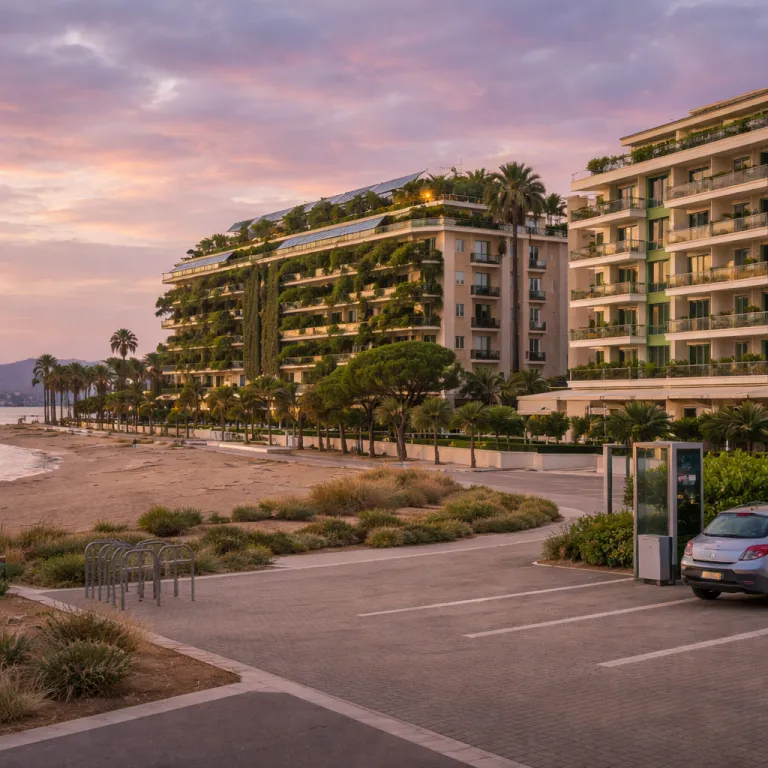
Why sustainable luxury in Cannes now shapes where you should stay
Cannes has always sold light, sea and spectacle, yet sustainable luxury now quietly shapes which hotel truly deserves your booking. In a city built on premieres and private terraces along the French Riviera, the question is no longer whether a hotel is green but whether its environmental claims survive a closer look at daily operations. For eco conscious travellers, sustainable luxury hotels in Cannes are less about slogans and more about how each stay reduces environmental impact without compromising comfort.
The most serious five star hotels in Cannes treat sustainability as part of their core design rather than a decorative add on. They audit supply chains, track carbon footprint per guest night and invest in efficient equipment that cuts energy use while maintaining the level of luxury you expect on the Côte d’Azur. When you compare hotels, ask how they handle waste reduction, whether they use LED lighting throughout the property and how they manage water consumption across pools, kitchens and laundry.
Two properties now anchor the sustainable luxury conversation in Cannes: Five Seas Hotel with its Clef Verte eco certification and Hotel Martinez with a recognised Green Globe sustainability certification. Both hotels sit within the dense urban fabric of Cannes, so every environmental decision has a direct impact on the local community, from waste sorting systems behind the scenes to partnerships with local producers that shorten supply chains and support the social fabric of the city. For travellers, this means your stay can be both indulgent and meaningfully sustainable when you choose carefully among the leading eco friendly hotels.
How to read eco-certifications and spot real change at five-star level
Eco labels in Cannes range from serious international standards to logos that quietly appear on a hotel website with little explanation. Clef Verte, held by Five Seas Hotel, is an international eco label for sustainable tourism that audits energy, water, waste and social responsibility in detail. Another widely recognised standard, Green Globe certification, evaluates how hotels reduce environmental impact, engage with the local community and integrate sustainable alternatives into daily operations.
When a hotel in Cannes highlights its certification, ask what areas are covered and how often audits occur. A credible programme will address single use plastics, waste reduction targets, LED lighting upgrades, efficient equipment in kitchens and laundry, and clear policies to reduce environmental pressures from each stay. Look for specifics on sustainable tourism practices such as staff training, local sourcing and transparent reporting on carbon footprint rather than vague green promises.
Marketing language becomes greenwashing when a luxury hotel talks about being eco friendly but cannot explain its environmental initiatives beyond towel reuse cards. Serious sustainable luxury hotels in Cannes will share data on waste sorting rates, investments in renewable energy or partnerships with local environmental associations. In 2023, for example, one French Riviera property publicly reported diverting more than half of its waste from landfill after three years of targeted waste sorting and composting. If you are planning a beachfront escape, pair your reading of certifications with a close look at how a property manages its seafront operations, then compare it with other Cannes beachfront luxury hotels described in this guide to elegant seafront stays on the Croisette and beyond.
Inside the leaders: Five Seas Hotel, Hotel Martinez and the new Riviera benchmark
Five Seas Hotel sits just behind the Palais des Festivals, a compact five star hotel where sustainable design decisions are woven into the guest experience. Its Clef Verte certification signals a structured approach to sustainable tourism, from energy management and LED lighting to waste sorting and reduced single use plastics in rooms and at the rooftop pool. The general manager has pushed for local partnerships that shorten supply chains, so your breakfast travels fewer kilometres across the Côte d’Azur than many guests do to reach Cannes.
Hotel Martinez, a landmark on the Croisette, pairs grand Art Deco lines with a sustainability certification that now shapes how this large resort scale property operates. Here, the environmental impact of hundreds of rooms, multiple restaurants and a busy beach club is addressed through efficient equipment, eco friendly cleaning products and a detailed waste reduction strategy. Guests notice refillable amenities replacing single plastics, menus that highlight local and seasonal produce from Provence and Azur France, and subtle design tweaks that reduce environmental pressures without compromising comfort or glamour.
These two hotels illustrate how sustainable luxury hotels in Cannes can operate at very different scales yet share similar environmental goals. One is an intimate city hotel, the other a full resort style property comparable to the refined stays and premium experiences you will find in other Cannes resort hotels along the bay. As one Riviera general manager put it, “Luxury travel on the French coast now means caring for the sea as much as the suite.” Both show that when a hotel treats sustainability as a long term investment rather than a marketing line, the result is a more thoughtful stay that respects both the globe and the local community.
Beyond the lobby: what guests actually see, from waste to energy and sourcing
Real sustainability in a luxury hotel rarely starts at the pillow mint; it begins in the back of house where waste sorting stations, energy dashboards and procurement teams quietly reshape operations. Guests at sustainable luxury hotels in Cannes will notice filtered water stations replacing plastic bottles, discreet recycling points on each floor and staff who can explain how the property manages waste reduction without fuss. These visible touches sit on top of deeper systems that track environmental impact, from kitchen waste to laundry loads.
Energy use is another area where design and technology now work together along the French Riviera. LED lighting, motion sensors in corridors and efficient equipment in spa areas and kitchens all help reduce environmental pressures while keeping spaces bright and comfortable. When you adjust the temperature in your room, a smart system may already be optimising energy use in the background, balancing guest comfort with the hotel’s carbon footprint targets.
Sourcing is where the Riviera’s gastronomic culture meets sustainable tourism in a very tangible way. Many leading hotels in Cannes now prioritise local suppliers for seafood, vegetables and wines, supporting the regional community while cutting transport emissions across their supply chains. As a traveller, you can ask where the fish on your plate was landed, how the hotel chooses sustainable alternatives to imported products and how these choices fit into Cannes’ broader reflection on its future as a luxury destination, explored in depth in this analysis of what the film festival reveals about the city’s long term direction.
Questions to ask before you book: separating substance from greenwashing
Before confirming a stay in Cannes, a few precise questions will quickly reveal whether a hotel’s green story is robust or purely cosmetic. Start with certifications and ask which eco label the property holds, whether it is Clef Verte, Green Globe or another recognised standard, and how often external audits take place. Follow up by asking how the hotel measures its environmental impact, including carbon footprint per guest night and concrete targets to reduce environmental pressures over time.
Operations matter just as much as labels when you evaluate sustainable luxury hotels in Cannes. Ask how the hotel handles waste sorting, what percentage of waste is recycled, and which steps are in place for ongoing waste reduction in restaurants, bars and housekeeping. Clarify whether single use plastics have been eliminated or simply reduced, and whether eco friendly alternatives are used consistently across amenities, conference spaces and beach operations.
Finally, explore how the hotel engages with the local community and the wider Côte d’Azur region. Serious properties will support local environmental associations, invest in staff training on sustainable tourism and maintain transparent communication about progress and challenges. When in doubt, remember the practical guidance often shared with travellers: “What is Clef Verte certification?” and “How to identify greenwashing in hotels?” are not abstract questions but everyday tools that help you choose a stay aligned with your values in Cannes and other Mediterranean destinations.
FAQ
What is Clef Verte certification and why does it matter in Cannes?
Clef Verte is an international eco label for sustainable tourism that evaluates how a hotel manages energy, water, waste and social responsibility. In Cannes, where many hotels claim to be green, Clef Verte certification signals that an independent body has audited the property against clear environmental criteria. For guests, it offers a quick way to identify hotels that treat sustainability as a structured, long term commitment rather than a marketing theme.
How can I identify greenwashing when booking a luxury hotel in Cannes?
Greenwashing often appears as vague language about being eco friendly without concrete details or recognised certifications. When a hotel in Cannes highlights sustainability, look for specific information on waste reduction, LED lighting, efficient equipment and policies on single use plastics, backed by external audits such as Clef Verte or Green Globe. If staff cannot explain the hotel’s environmental initiatives beyond towel reuse, you are likely seeing marketing rather than meaningful change.
Are five-star hotels in Cannes really reducing their environmental impact?
Some five star hotels in Cannes now implement serious sustainability programmes that address energy use, waste sorting, sourcing and community engagement. Properties such as Five Seas Hotel and Hotel Martinez have obtained recognised certifications and invested in systems that reduce environmental impact while maintaining high levels of comfort. Progress is uneven across the city, so informed guests who ask targeted questions help reward the leaders and push others to improve.
What should eco conscious travellers ask before confirming a stay?
Eco conscious travellers should ask about certifications, specific environmental targets and how the hotel measures its carbon footprint per guest. It is useful to request details on waste reduction strategies, elimination of single use plastics and the use of sustainable alternatives in amenities and restaurants. Questions about local sourcing and partnerships with community organisations also reveal whether a hotel’s sustainability efforts extend beyond its own walls.
Can I enjoy full luxury in Cannes without compromising comfort for sustainability?
Modern sustainable luxury hotels in Cannes are designed to maintain comfort while quietly reducing environmental pressures behind the scenes. Efficient equipment, smart energy systems and thoughtful sourcing allow guests to enjoy spacious rooms, refined dining and attentive service without feeling constrained by eco measures. The key is choosing hotels where sustainability is integrated into design and operations, so your experience feels seamless rather than restricted.