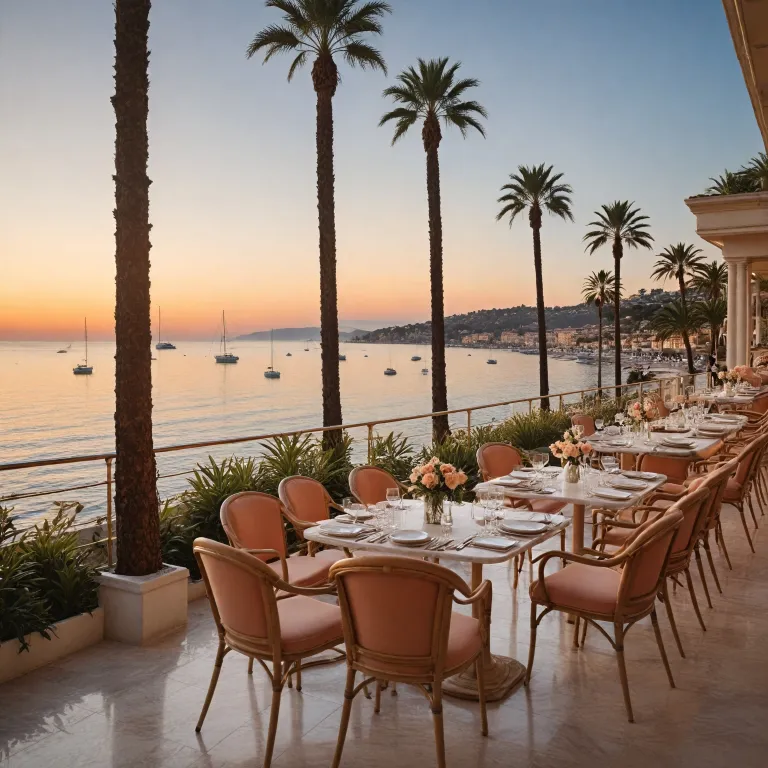
Sea in Cannes and the art of choosing a refined stay
The sea in Cannes shapes every refined stay along this luminous coastline. Along the French Riviera, the city stretches between the Alpes Maritimes hills and the Mediterranean Sea, creating a sheltered bay with calm waters. This geography makes France Cannes a rare setting where luxury hotels sit only a few steps from the plage.
For travellers comparing premium addresses, the main clue is always proximity to the sea and to La Croisette. Many guests want rooms facing the bay, with views towards the Lérins Islands and the Vieux Port, while others prefer quieter wings overlooking palm gardens. In every case, the sea in Cannes influences room categories, nightly rates, and the overall atmosphere of each property.
Along the Croisette, grand hotels frame the curve of the bay and the Palais des Festivals. Here, the sea in Cannes becomes part of the city’s identity, as iconic as the Cannes Film Festival and the red carpet. Guests can walk from lobby to beach in minutes, passing designer boutiques, palm trees, and terraces where French and international visitors linger sur la terrasse.
Premium hotels near Palm Beach offer a slightly more residential feel, with the sea in Cannes stretching towards the Cap d’Antibes. This area suits travellers seeking quieter beaches Cannes side streets and elegant sea view suites. Whether you stay near the Vieux Port or closer to Palm Beach, the city remains compact, so taxis and promenades keep every quartier within easy reach.
Understanding the coastline, beaches and private hotel shores
The coastline of Cannes runs for about 15 kilometres, with 13 public beaches and many private sections. For guests, the sea in Cannes is experienced through these plages, each with its own rhythm, clientele, and style of service. Along the Croisette, hotel operated sections of Cannes beaches offer sun loungers, attentive staff, and direct charging to your room.
On these sands, the beach becomes an extension of the lobby, and the sea in Cannes feels almost like a private lagoon. Many luxury properties maintain their own stretches of plage, where guests can reserve front row loungers facing the Lérins Islands. This arrangement is especially appreciated during the film festival, when every metre of sand near the Palais des Festivals is in high demand.
Further along, Palm Beach and other beaches Cannes areas attract guests who enjoy water sports and a slightly more relaxed atmosphere. Here, the sea in Cannes opens towards the wider Côte d’Azur, and the horizon feels broader and more maritime. For a detailed overview of the most elegant strands on the French Riviera, many travellers consult an elegant guide to French Riviera beaches before choosing their hotel.
Families often appreciate the gentle slope of the sand and the usually calm sea, especially from June to October. The swimming season aligns with the warmest sea temperatures, and lifeguards monitor many sections during peak months. Safety flags, clear signage, and regular water quality checks ensure that the sea in Cannes remains both inviting and reassuring for international guests.
Sea conditions, safety standards and what premium guests should know
For travellers booking high end rooms, the sea in Cannes is more than a view ; it is a daily activity. Average summer sea temperatures reach the low twenties in degrees Celsius, making morning and late afternoon swims particularly pleasant. Many luxury hotels provide direct access to the beach, so guests can move effortlessly between suite, sun lounger, and sea.
The Cannes municipal authorities oversee safety regulations on the beaches and at sea. They coordinate with local health departments to conduct regular water quality assessments, especially from mid June to mid September. This framework ensures that the sea in Cannes usually offers excellent bathing conditions, which is a decisive factor for discerning travellers comparing France Cannes with other Mediterranean destinations.
Emergency procedures are clearly defined, with CROSSMED acting as the regional search and rescue centre for maritime incidents. On the sand, safety flags indicate swimming conditions, while information boards display emergency contact numbers and guidelines. Visitors are encouraged to check the latest sea temperature before planning a swim and to remain attentive to changing weather or swell.
Premium hotels often brief guests on these measures at check in, particularly those planning private boat trips towards the Lérins Islands. The combination of municipal oversight, maritime partners, and hotel concierges creates a layered safety net around the sea in Cannes. This attention to detail contributes to the city’s reputation as a secure coastal destination on the Côte d’Azur.
From the Croisette to the Lérins Islands: maritime experiences from your hotel
Many travellers choose their hotel in function of access to the Lérins Islands and the wider French Riviera. From the Vieux Port, regular boats cross the sea in Cannes towards the Lérins Islands, visible from most sea facing rooms. The crossing is short, yet it transports guests from the animated city to a calmer, almost monastic landscape.
On Île Sainte Marguerite, pine forests, rocky creeks, and small beaches offer a different perspective on the sea in Cannes. The island is famous for Fort Royal, whose stone walls overlook the water and house a museum sea collection. Walking paths circle the coastline, revealing views back towards France Cannes, the Croisette, and the Alpes Maritimes beyond.
Hotel concierges frequently arrange private transfers or small group excursions to Sainte Marguerite and neighbouring Île Saint Honorat. These trips allow guests to experience the sea in Cannes from the deck of a boat, with the city’s skyline and the Palais des Festivals receding behind them. Many visitors comment that the colours of the water around the Lérins Islands feel more intense, with shades of turquoise near the rocks.
For those staying several nights, alternating days between city beaches Cannes and island coves creates a balanced rhythm. The contrast between the Croisette, Palm Beach, and the quiet inlets of Sainte Marguerite highlights the diversity of the local coastline. In every case, the sea in Cannes remains the unifying element, linking hotel, harbour, and islands in a single maritime panorama.
Culture, film and the way the sea shapes the Cannes atmosphere
The identity of Cannes is inseparable from cinema, and the sea plays a central supporting role. During the Cannes Film Festival, the bay becomes a stage where yachts, terraces, and hotel façades form a glittering backdrop. The sea in Cannes reflects the lights of the Palais des Festivals and the Croisette, reinforcing the city’s image in film and photography.
Outside festival periods, the city maintains a refined yet relaxed rhythm, with the sea always present at the end of each avenue. Guests stroll sur la Croisette, pausing at the plage for a coffee or an apéritif while watching the light change over the Lérins Islands. This daily theatre of water and sky is one reason why France Cannes continues to attract repeat visitors.
Even cultural visits often return to the shoreline, from the museum sea collections in Fort Royal on Sainte Marguerite to maritime exhibitions in town. The Vieux Port, with its fishing boats and pleasure craft, offers a more traditional view of the sea in Cannes. Here, the contrast between old hulls and modern yachts underlines the city’s blend of heritage and contemporary luxury.
For travellers choosing a premium hotel, proximity to these cultural and maritime landmarks adds intangible value. A suite overlooking the bay allows guests to observe the changing traffic of ferries to the Lérins Islands, sailing boats, and festival related vessels. In this way, the sea in Cannes becomes a living backdrop to every stay, from quiet winter weekends to high season celebrations.
Practical booking insights for luxury stays by the sea
When selecting a luxury or premium hotel, start by clarifying how you wish to experience the sea in Cannes. Some guests prioritise direct access to a private section of plage, while others prefer elevated views from higher floors. Room descriptions mentioning full sea view, partial sea view, or Croisette view can significantly influence your stay.
It is also useful to consider the hotel’s position between the Vieux Port and Palm Beach. Properties near the Palais des Festivals place you at the heart of events, restaurants, and shopping along the Croisette. Those closer to Palm Beach often offer a quieter interpretation of the sea in Cannes, with easier access to certain beaches Cannes and water sports.
For travellers seeking a broader perspective on regional options, curated resources on French Riviera villas and grand hotels can complement hotel comparison platforms. These guides help situate Cannes within the wider Côte d’Azur, from neighbouring resorts to inland villages in the Alpes Maritimes. They also underline how the sea in Cannes often offers calmer waters than some more exposed stretches of coast.
Finally, pay attention to seasonal patterns, especially if your dates coincide with the Cannes Film Festival or other des festivals. During these periods, demand for sea facing rooms and Cannes beaches access increases sharply, and minimum stays may apply. Booking early, communicating preferences clearly, and using concierge services will help you enjoy the sea in Cannes with maximum comfort and serenity.
Key figures and essential questions about the sea in Cannes
Several quantitative indicators help travellers understand the character of the sea in Cannes. In mid summer, the average sea temperature reaches around 22.8 °C, which suits long swims and water sports. The city maintains approximately 15 kilometres of coastline, including 13 public beaches integrated among private hotel sections.
These figures illustrate why the sea in Cannes supports both leisure and high end hospitality. A relatively long waterfront for a compact city allows multiple quartiers to maintain their own relationship with the water. From the Croisette to Palm Beach, each segment of shore offers a different balance between animation, tranquillity, and access to Cannes beaches.
Visitors often ask practical questions before confirming a reservation near the sea in Cannes. “What is the best time to swim in Cannes?” and “How is the water quality in Cannes?” are among the most frequent enquiries. Another recurring question concerns safety measures on Cannes beaches and the presence of lifeguards or emergency services.
To address these points clearly, local authorities provide structured information to residents and guests. “What is the best time to swim in Cannes?” and “How is the water quality in Cannes?” and “What safety measures are in place on Cannes beaches?” are answered as follows : “The swimming season in Cannes lasts from June to October, with sea temperatures suitable for comfortable swimming.” “The sea water quality in Cannes is largely excellent, with regular testing ensuring safety for swimmers.” “Beaches in Cannes have safety flags indicating swimming conditions, and emergency contact information is provided for maritime incidents.” These concise answers help travellers plan stays where the sea in Cannes remains both a pleasure and a well managed natural asset.
Key statistics about the sea in Cannes
- Average July sea temperature in Cannes is approximately 22.8 °C, offering comfortable conditions for extended swimming sessions.
- The coastline of Cannes extends for about 15 kilometres along the Mediterranean Sea, providing varied seaside atmospheres.
- Cannes counts 13 public beaches integrated among private sections, giving travellers a wide choice of seaside experiences.
Essential questions about the sea in Cannes
What is the best time to swim in Cannes?
The most comfortable period for swimming in the sea in Cannes runs from June to October. During these months, sea temperatures are generally warm enough for long swims and water sports. Many luxury hotels adjust their beach services and water based activities to align with this extended season.
How is the water quality in Cannes?
The water quality in Cannes is monitored regularly through systematic testing along the coastline. Results are usually excellent, which reassures travellers booking premium rooms specifically for sea bathing. Information boards on the beaches indicate current conditions, and hotel concierges can provide updates for guests planning daily swims.
What safety measures are in place on Cannes beaches?
Safety on Cannes beaches relies on a combination of lifeguard presence, flag systems, and clear signage. Flags indicate whether swimming is allowed, restricted, or temporarily discouraged due to conditions in the sea in Cannes. Emergency contact numbers are displayed at access points, and hotel staff can explain local procedures to international visitors.
Sources: cannes.com, CROSSMED maritime information, sea temperature monitoring platforms.