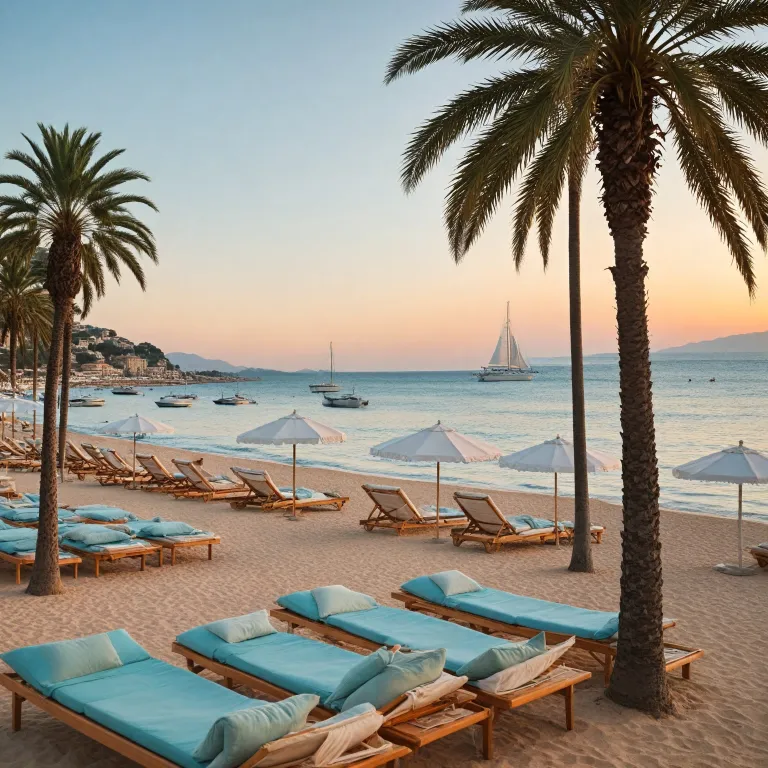
French riviera beaches and luxury stays in Cannes
French riviera beaches combine Mediterranean light, refined service, and effortless glamour. Along this coastline in the south of France, each beach offers a distinct atmosphere, yet all share clear water and a backdrop of elegant hotels. Many travellers pair their stay in Cannes with a wider french riviera journey, using the city as a base for day trips along the Côte d’Azur.
Public access to every beach is guaranteed by French law, while private beaches attached to a luxury hotel provide elevated comfort. These private beaches often feature attentive service, shaded loungers, and refined dining, which suits guests who value privacy and seamless experiences. French Riviera Beaches are a collection of beaches along the Mediterranean coastline in southeastern France, known for their beauty and popularity among tourists.
Cannes itself sits at the heart of the Alpes-Maritimes, facing some of the best beaches in south France. The famous Croisette curves gently along the bay, lined with palm trees, grand façades, and private beaches that feel like open air lounges. When planning a trip, many guests choose a hotel directly on the sand to enjoy sunrise swims and relaxed evenings without needing a car park.
From here, it is easy to explore nearby french riviera beaches in Nice, Antibes, and the smaller coves near Cap d’Ail. Each day can focus on a different stretch of coastline, from lively city beaches to quieter bays framed by pine trees. This balance of urban energy and coastal calm is one reason the French Riviera remains a benchmark for refined travel.
Choosing a Cannes hotel for effortless access to the beach
Selecting the right hotel in Cannes shapes how you experience french riviera beaches. Properties along the Croisette place you steps from private beaches, where staff reserve loungers and arrange water sports with minimal effort. Inland addresses can offer better value, yet you will walk farther each day to reach the sea.
For travellers focused on french riviera beaches, a seafront hotel often justifies the premium. Many luxury and premium hotels maintain their own private beaches, complete with restaurants, changing cabins, and attentive beach concierges. These spaces allow you to enjoy the best beaches in Cannes with controlled crowd levels, especially during July when the south of France is at its busiest.
When comparing options, look for clear information on beach access, whether the hotel owns, partners with, or simply recommends nearby private beaches. Some properties include sun loungers in the room rate, while others charge a daily supplement, which can influence the overall value of your stay. For detailed comparisons of sea facing properties, a dedicated resource on premium hotels in Cannes with beach access can be particularly helpful.
Parking is another practical consideration, as car park spaces near the Croisette are limited and often expensive. Guests planning day trips along the Côte d’Azur may prefer hotels with secure parking included, especially if they intend to explore Nice, Antibes, or Saint-Tropez by car. Balancing location, beach access, and transport convenience ensures your Cannes base enhances every day on the french riviera beaches.
From Cannes to Nice and Antibes: a coastal day by day guide
Many visitors use Cannes as a refined starting point to explore other french riviera beaches. A classic day trip leads east towards Antibes, where sandy stretches and views of the old town walls create a softer, more intimate atmosphere. The beaches near Juan-les-Pins, including those around the area known as les Pins, are popular with families who enjoy shallow water and relaxed cafés.
Continuing along the coast, Nice offers a different expression of the French Riviera, with long pebble beaches and a lively promenade. Here, the contrast between the blue sea and the city’s Belle Époque façades creates a striking urban seascape, especially appealing for travellers who enjoy both culture and the beach in a single day. Public beaches alternate with private beaches, giving you the choice between simple towels on the pebbles or full service loungers.
For guests staying in Cannes hotels, these day trips are straightforward by train, which avoids the challenge of finding a car park in busy centres. Many travellers structure their planning trip so that one day focuses on Nice, another on Antibes, and a third on quieter coves between the two. A detailed online guide to Cannes beach hotels and the Croisette can help align hotel choices with this coastal itinerary.
Closer to Cannes, smaller beaches french along the coast offer a calmer rhythm, ideal after lively evenings in town. Each stop reveals a different side of the Côte d’Azur, from family friendly bays to more glamorous settings frequented by international guests. This variety ensures that every day on the french riviera beaches feels distinct yet consistently elegant.
Exploring capes and coves: Cap d’Ail, Cap Ferrat, and Saint-Jean
Beyond the main resorts, the capes of the French Riviera reveal some of the best beaches for travellers seeking a quieter setting. Cap d’Ail, west of Monaco, offers small coves framed by rocks and pine trees, where the water feels particularly clear and inviting. A coastal path links several beaches french in this area, allowing you to explore on foot and pause for swims throughout the day.
Further along the Côte d’Azur, the peninsula of Cap Ferrat is renowned for its refined villas and sheltered bays. Around Saint-Jean-Cap-Ferrat, you will find a mix of public and private beaches, many with views across the Baie de Villefranche-sur-Mer. The combination of gentle waves, elegant surroundings, and nearby medieval streets in the old village of Villefranche-sur-Mer creates a setting that feels both relaxed and sophisticated.
These capes are ideal for day trips from Cannes, especially for guests who enjoy walking paths as much as time on the sand. Trains and buses connect Cannes with Villefranche-sur-Mer and the stations near Cap d’Ail, though some coves still require a short walk from the car park or bus stop. For those staying in a Cannes hotel, concierge teams can often suggest the best beaches on each cape according to your preferences for privacy, services, or water sports.
When planning a trip that includes Cap d’Ail, Cap Ferrat, and Saint-Jean, consider alternating more active days with restful ones on the private beaches of Cannes. This rhythm allows you to enjoy both the wild charm of the capes and the polished comfort of french riviera beaches attached to luxury properties. Over several days, the contrast between these landscapes becomes one of the most memorable aspects of travel in south France.
Saint-Tropez, medieval streets, and the charm of south France
To the west of Cannes, Saint-Tropez adds another dimension to the experience of french riviera beaches. Once a quiet fishing village, it now blends luxury yachts, designer boutiques, and a surprisingly authentic old town with narrow medieval streets. The beaches near Saint-Tropez range from lively stretches with beach clubs to calmer bays where pine trees reach almost to the water.
Many travellers combine a stay in a Cannes hotel with a day trip to Saint-Tropez, either by road or seasonal boat services. The journey itself reveals the varied coastline of the south of France, from rocky headlands to long sandy arcs. On arrival, you can enjoy water sports, relaxed lunches on the sand, or simply walk the harbour before returning to the quieter rhythm of Cannes in the evening.
Inland from the coast, several hilltop villages preserve the atmosphere of medieval streets, stone houses, and shaded squares. These excursions complement time on french riviera beaches, offering a sense of history and local life beyond the shoreline. Travellers often appreciate alternating a cultural day among villages with a restful day on the best beaches near their hotel.
Throughout the Alpes-Maritimes and neighbouring areas, local authorities increasingly promote sustainable tourism to protect both villages and beaches. Eco friendly facilities, careful management of private beaches, and improved public transport all support this objective. For guests, this means you can enjoy the best beaches and historic towns of south France while contributing to the long term preservation of the region’s character.
Practical planning tips for french riviera beaches and Cannes hotels
Thoughtful planning helps you enjoy french riviera beaches with minimal stress and maximum comfort. The coastline extends for around 115 km and includes approximately 150 beaches, so choosing where to stay and which areas to prioritise is essential. With about 310 days of sunshine each year, you have considerable flexibility in timing your travel, though July remains the busiest month.
When planning a trip centred on Cannes, consider how many day trips you wish to include to Nice, Antibes, Cap d’Ail, Cap Ferrat, and Saint-Tropez. Each destination offers different types of beaches french, from pebbles in Nice to softer sand near Antibes and Saint-Tropez. Balancing these excursions with restful days on the private beaches of your Cannes hotel ensures you return home refreshed rather than exhausted.
Public beaches across the French Riviera are free, while private beaches charge for loungers and services, so allocate part of your budget accordingly. Many visitors alternate between public and private options, enjoying simple swims one day and full service comfort the next. If you plan to rent a car, verify car park availability at your hotel and near the beaches you intend to visit, as spaces in popular areas of south France can be limited.
For those who value structured information, a detailed online reply in the form of a curated guide can be invaluable. Resources such as the article on elegant Croisette beach stays in Cannes help align expectations with reality. With clear planning, you can enjoy the best beaches, refined hotels, and varied landscapes that make french riviera beaches a benchmark for coastal travel in France.
Statistics and essential facts about french riviera beaches
- The French Riviera coastline extends for approximately 115 km along the Mediterranean.
- Travellers can choose among roughly 150 distinct beaches across the region.
- The area enjoys around 310 days of sunshine each year, supporting a long beach season.
Key questions about french riviera beaches
Are all beaches on the French Riviera public?
French law mandates public access to the coastline, but some beaches have private sections with amenities available for a fee. In practice, this means you can always reach the sea, even when a luxury hotel operates a private beach club on part of the shore. Guests often combine time on public stretches with occasional days at private beaches for added comfort.
What is the best time to visit the French Riviera beaches?
The summer months are popular for warm water and a lively atmosphere, yet many travellers prefer spring or autumn for fewer crowds. During these shoulder seasons, hotel rates in Cannes and other resorts can be more favourable, while restaurants and services remain fully operational. Visiting outside peak periods also makes it easier to enjoy the best beaches and secure car park spaces near the shore.
Are there sandy beaches on the French Riviera?
Yes, several areas feature sandy beaches, including parts of Cannes, Antibes, and Saint-Tropez. Some stretches use imported sand to create a softer surface, which is particularly appreciated by families with children. When planning a trip, check whether your preferred hotel fronts a sandy or pebbly beach so you can pack appropriate footwear and equipment.