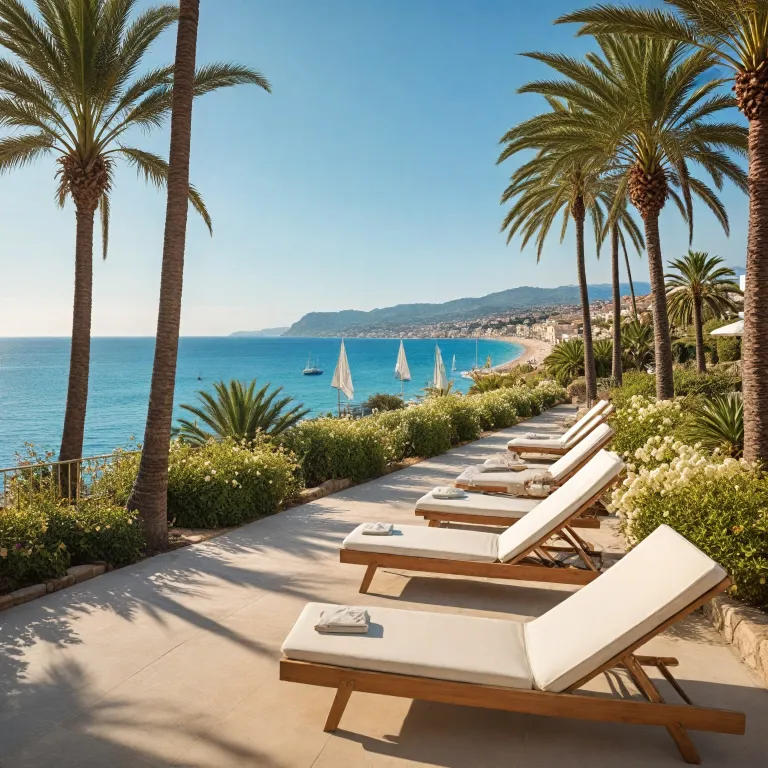
South of France beaches and the art of choosing your Cannes hotel
South of France beaches shape every decision when planning a refined Cannes escape. Along this luminous stretch of France, each plage offers a different rhythm, and the hotel you choose will determine how easily you move between the sand, the sea, and the city. For travellers focused on comfort, the right hotel in the south can turn a simple beach holiday into a seamless French Riviera experience.
The coastline from Nice to Cannes sits at the heart of the French Riviera, where calm water, pale sand, and manicured promenades meet historic town centres. Local authorities manage these beaches and plages with strict standards, which is one reason the Provence-Alpes-Côte d’Azur region counts 86 Blue Flag beaches, a figure that reassures guests seeking the best balance between beauty and safety. Environmental organisations work closely with towns to protect the mer, so that the beaches south of Cannes remain clear and inviting for future stays.
For many visitors, the best beach days begin with a short stroll from their hotel to a private or public plage, then continue with a leisurely lunch in a nearby village or town. Cannes, Nice, and the smaller places south along the coast offer a mix of sandy stretches and pebbled coves, each with its own character and level of service. When you reply to your own expectations honestly, you can match your preferred style of beach to a specific area of southern France and then refine your hotel search around that choice.
Comparing Cannes with other south of France beaches
Cannes sits at a strategic point between glamorous resorts and quieter villages, making it an ideal base for exploring south of France beaches. The main city plages offer soft imported sand, gentle water, and easy access to restaurants, yet they can feel busy in peak time. Travellers who want both energy and elegance often find that a premium hotel on or near the Croisette gives them the best of the French Riviera lifestyle.
Just along the coast, Nice presents a different personality, with long stretches of rounded pebbles instead of sand and a more urban atmosphere. Many guests enjoy splitting their stay between a hotel in Cannes and a night or two in Nice, using the efficient train line for a simple day trip between the two towns. This combination allows you to compare the best beaches and decide which places suit your next visit to southern France.
Further east, the Cap Ferrat peninsula and the area around Saint-Jean-Cap-Ferrat offer some of the best beaches for travellers who value privacy and dramatic scenery. Here, the water is intensely clear, and small paths lead down from pine shaded roads to intimate coves, while luxury hotels sit discreetly above the shoreline. To the west, in the Alpes-Maritimes and beyond, you will find more relaxed seaside towns and villages, where prices soften and the pace slows, yet the essential charm of the Côte d’Azur and the wider south France coastline remains.
Hidden coves, famous names, and practical access to the sand
Beyond the famous names, many south of France beaches remain surprisingly low key and accessible from a well chosen Cannes hotel. A short drive or organised day trip can take you to smaller towns and villages where the plage feels more local, the mer is less crowded, and the atmosphere is authentically French. These places south of the main hubs reward travellers who are willing to look beyond the first row of sun loungers.
Villefranche-sur-Mer, often written as Villefranche sur Mer, curves around a deep natural bay with a sheltered beach and pastel houses rising steeply behind. The train from Cannes makes this an easy day trip, and many visitors consider its shoreline one of the best beaches on the French Riviera for relaxed swimming. Nearby, the peninsula around Cap Ferrat and Saint-Jean-Cap-Ferrat offers walking paths above the water, where you can pause at small coves that feel far removed from the bustle of larger towns.
To the west of Cannes, the coastline opens towards the wider south France and Occitanie regions, where places like Le Grau-du-Roi, often written as Grau Roi, offer long sandy beaches and family friendly facilities. Here, car park access becomes more important, especially if you are driving from your hotel with beach equipment or travelling with children. Whether you choose a celebrated stretch of sand or a lesser known cove, planning around transport, parking, and local regulations will help you make the most of every beach day in southern France.
Day trips from Cannes to characterful towns and villages
One of the great advantages of staying in Cannes is the range of day trips to nearby towns, villages, and beaches. Within an hour, you can move from the polished Croisette to medieval hilltop streets, quiet coves, or wide family friendly sands, all while returning to the comfort of your chosen hotel each night. This flexibility allows you to sample many south of France beaches without constantly changing accommodation.
Inland, the village of Saint-Paul-de-Vence, often written as Saint Paul or Saint Paul Vence, offers stone lanes, art galleries, and sweeping views towards the mer and the Alpes-Maritimes. Combining a morning at the beach with an afternoon in Saint-Paul-de-Vence gives a rounded sense of the French Riviera, where culture and coastline sit side by side. Further west, Aix-en-Provence, sometimes shortened to Aix Provence, makes a rewarding day trip for travellers who want to balance beach time with café terraces and elegant architecture.
Along the coast, you can plan day trips by train or car to Nice, Villefranche-sur-Mer, Cap Ferrat, and the smaller resorts that line the southern France shoreline. When driving, look for hotels that offer secure parking, as this makes it easier to explore remote beaches south of the main towns without worrying about finding a car park late in the day. By alternating beach days with cultural excursions, you create a richer itinerary that reflects the full character of the Côte d’Azur and the wider south France region.
Choosing a luxury or premium hotel in Cannes for beach focused stays
Selecting a luxury or premium hotel in Cannes requires more than simply scanning star ratings and photos of the nearest plage. For travellers focused on south of France beaches, it is essential to examine how each property connects you to the sand, the water, and the wider French Riviera. Factors such as private beach partnerships, concierge services for day trips, and proximity to transport can transform your stay.
Many high end hotels along the Croisette maintain agreements with private plages, offering reserved loungers, attentive service, and easy access to the mer throughout the day. Others position themselves slightly back from the waterfront but compensate with rooftop pools, refined restaurants, and expert teams who can arrange transfers to the best beaches in Cannes and beyond. When comparing options, consider whether you prefer to walk directly onto the sand or enjoy a quieter base in town with curated access to multiple beaches south along the coast.
For a deeper look at how a dedicated platform can streamline this process, you may wish to explore a specialised guide such as a luxury and premium hotel booking website in Cannes elevating your stay with unique experiences. Such resources focus on properties that understand the specific needs of guests who prioritise beach access, refined service, and authentic French touches. By aligning your expectations with the strengths of each hotel, you can ensure that your time on the Côte d’Azur feels both effortless and genuinely tailored to the beaches and places you most wish to experience.
Seasonality, sustainability, and timing your Cannes beach escape
Timing plays a crucial role when planning a stay in Cannes focused on south of France beaches. Peak summer brings lively energy, warm water, and long daylight hours, but also higher prices and fuller plages, especially in central town locations. Many seasoned travellers therefore choose late spring or early autumn, when the mer remains inviting and the atmosphere on the French Riviera feels more relaxed.
Across the region, the coastline enjoys around 300 days of sunshine annually, which gives you considerable flexibility when selecting your travel time. Visiting outside the busiest weeks also supports more sustainable tourism, easing pressure on local infrastructure, car parks, and fragile coastal ecosystems. As one regional overview notes, “The best time is during the shoulder seasons of late spring (May-June) and early autumn (September-October) to enjoy pleasant weather and fewer crowds.”
Environmental organisations and local authorities increasingly encourage visitors to respect protected areas, follow signage on dunes and rocky paths, and reduce waste on both popular and remote beaches south of the main resorts. Choosing hotels that engage with these initiatives, whether through reduced plastic use or partnerships with conservation groups, helps preserve the quality of the sand, the clarity of the water, and the character of coastal villages. In turn, this ensures that future guests can continue to enjoy the best beach experiences in Cannes, Nice, Cap Ferrat, Villefranche-sur-Mer, and the many other places south along the Côte d’Azur and wider southern France shoreline.
Linking Cannes stays with wider south France coastal journeys
For many travellers, a stay in Cannes becomes the centrepiece of a longer journey along south of France beaches. You might begin with several nights in a premium hotel overlooking the mer, then extend your trip west towards Le Grau-du-Roi or east towards the Italian border, sampling different plages and towns along the way. This approach allows you to compare the polished French Riviera with more relaxed stretches of southern France while keeping Cannes as a reference point for service and comfort.
Some itineraries combine Cannes with inland stays in Aix-en-Provence or other Provençal towns, creating a contrast between coastal light and countryside calm. Others focus entirely on the shoreline, moving between Nice, Villefranche-sur-Mer, Saint-Jean-Cap-Ferrat, and smaller villages where the best beaches may be less known internationally but cherished by French families. In every case, planning your hotel choices around access to both the beach and reliable transport will make each day trip smoother.
As tourism continues to evolve, there is a growing emphasis on sustainable practices, eco friendly services, and off season travel across the Côte d’Azur and the wider south France region. By selecting hotels that support these values and by treating each plage, town, and village with care, you contribute to the long term health of the coastline. In return, the water, sand, and characterful places south of Cannes will continue to reward thoughtful visitors with some of the best beaches and most memorable stays in France.
Key statistics about south of France beaches and tourism
- Number of Blue Flag beaches in Provence-Alpes-Côte d’Azur : 86 beaches.
- Annual tourist visits to the French Riviera : 14 million tourists.
- Average annual sunshine days on the French Riviera : 300 days.
Essential questions about south of France beaches
What are some must-visit beaches in the South of France?
Notable beaches include Plage de la Baie des Milliardaires in Antibes, Plage Notre-Dame on Île de Porquerolles, and Calanque d’En-Vau near Cassis. From a Cannes base, these can be reached by a combination of car, boat, and local transport, often as part of organised day trips. Each offers a distinct experience, from sheltered coves with turquoise water to wilder stretches of coastline framed by cliffs and pine forests.
When is the best time to visit the beaches in the South of France?
The best time is during the shoulder seasons of late spring (May-June) and early autumn (September-October) to enjoy pleasant weather and fewer crowds. During these months, hotel rates in Cannes and neighbouring towns can be more favourable, and it is easier to secure sun loungers or restaurant reservations near popular plages. The milder temperatures also make it more comfortable to explore inland villages and coastal paths between beach days.
Are there any environmental concerns associated with tourism in the South of France?
Yes, increased tourism can lead to environmental degradation ; hence, there is a strong focus on sustainable practices and conservation efforts. Local authorities and environmental organisations work together to monitor water quality, protect marine life, and manage waste on busy beaches south of the main resorts. Visitors can support these initiatives by following local guidelines, choosing responsible hotels, and treating every plage, town, and village with respect.