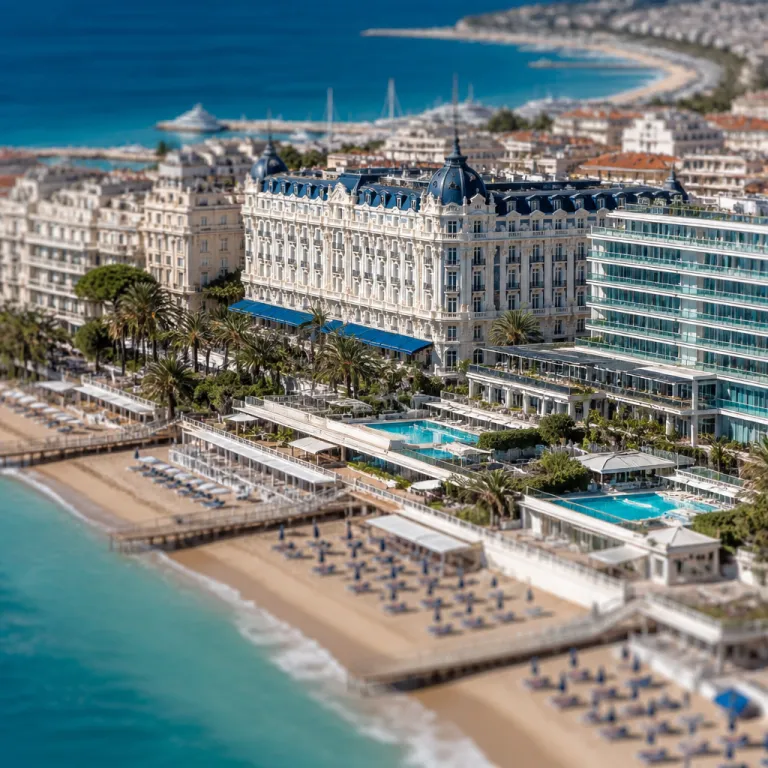
Architectural elegance in Cannes: how design shapes your luxury stay
Architecture in Cannes luxury hotels does more than frame a sea view. It choreographs how you arrive, unwind, and move between the Croisette, the old port, and your suite. Thoughtful design turns a simple overnight stay into a layered Riviera experience, especially when you compare different buildings side by side on a specialist booking platform.
On the famous Boulevard de la Croisette, grand façades such as Hôtel Barrière Le Majestic and the Carlton Cannes create a cinematic first impression with symmetrical lines, domed roofs, and ornate balconies. Their architecture signals heritage and prestige, yet inside you find contemporary layouts that prioritise light, circulation, and privacy for modern travellers. This blend of classic exteriors and updated interiors is central to how a high-end Cannes hotel booking platform should present each property’s character and architectural story.
When you browse curated listings on a specialist site, pay close attention to how each hotel’s architecture is described and photographed. Look for wide angle lobby shots that reveal ceiling height, natural light, and sightlines to the sea or gardens, ideally with captions such as “double height lobby with Croisette views” or “atrium opening onto private courtyard.” These details often matter more to your comfort than a long list of generic amenities.
From palace façades to villa style retreats: choosing your architectural mood
Not every traveller wants the same architectural statement in Cannes. Some guests seek the theatrical presence of a palace hotel, while others prefer the intimacy of a property that feels like a private Mediterranean residence. Your ideal choice depends on how you imagine your days and nights unfolding along the Riviera and how you respond to different spatial atmospheres.
Palace style hotels on the Croisette typically feature grand staircases, columned porticos, and long corridors lined with suites facing the bay. A typical sea facing deluxe room might measure around 28 to 32 square metres, with French windows opening onto a narrow balcony above the promenade. These buildings excel if you value ceremony, red carpet energy, and immediate access to the Palais des Festivals. By contrast, villa inspired hotels in the Californie or Super Cannes hills often favour terraced volumes, landscaped paths, and multiple low rise wings that echo French Riviera estates, with junior suites spreading over 35 to 45 square metres and larger private terraces.
When a premium Cannes reservation site follows an editorial, design-led approach, it should highlight these contrasts clearly. Look for descriptions that compare palace façades with villa style layouts, and use tools such as detailed photo galleries or 3D tours to sense proportions. For a deeper look at this villa aesthetic, resources like French villa elegance in Cannes, where hotel architecture feels like a private estate, can help you visualise how estate like design shapes privacy, outdoor living, and the transition between interior and garden.
Inside the walls: how interior architecture defines comfort and flow
Exterior style may attract you first, yet interior architecture determines how restful your stay will feel. Room proportions, window placement, and circulation between bedroom, bathroom, and balcony all influence how you use the space. In Cannes, where many guests split time between meetings, beach clubs, and late dinners, this internal flow becomes crucial to whether a room feels like a retreat or simply a place to sleep.
Look for floor plans or room descriptions on any architecture-aware booking interface that mention separate dressing areas, sliding partitions, or double door entries. These elements reduce noise transfer and create zones for work, sleep, and relaxation within the same suite. A sample layout might show a 30 square metre room with an entrance vestibule, wardrobe corridor, and bedroom opening onto a 6 square metre balcony, clearly labelled in the plan. In renovated heritage properties, pay attention to whether original mouldings and high ceilings have been preserved while integrating modern lighting, acoustic insulation, and climate control.
Bathroom architecture is equally important, especially in luxury and premium hotels that market themselves to couples or long stay guests. Walk in showers with level access, double vanities, and discreet toilet enclosures all contribute to a sense of privacy and ease. When a Cannes focused hotel selection is thoughtfully curated, it will show close up images of these features rather than relying only on wide, flattering shots, with captions such as “separate rainfall shower and soaking tub” or “ensuite with natural daylight and sea view.”
Views, light, and orientation: reading the Riviera through your window
In Cannes, architecture and geography are inseparable. The best luxury hotels use their structure and orientation to frame the Mediterranean, the Lérins Islands, or the terracotta rooftops of Le Suquet. Understanding how a building sits on its plot helps you choose a room that matches your expectations for Croisette sea view rooms, angled vistas, or quieter courtyard outlooks.
On the seafront, many properties are long and narrow, with a high proportion of rooms facing either the bay or the city. A design-conscious booking journey should clearly label sea view, partial sea view, and city view categories, ideally with floor indications and sample photos taken from each height. Higher floors often offer broader panoramas, but lower floors can feel more connected to the promenade and beach life, with architecture that brings you closer to the sound of the sea and the movement of the boulevard.
In hillside hotels, stepped architecture and cascading terraces allow more rooms to enjoy angled sea views while preserving gardens and pools. When you read descriptions on a Cannes luxury hotel search site, look for mentions of south facing façades, corner suites, and wraparound balconies. These clues indicate how much natural light you can expect throughout the day and whether sunset or sunrise will be visible from your room, as well as how the building’s orientation shapes shade, privacy, and the use of outdoor furniture.
Public spaces as architectural stages: lobbies, pools, and rooftop bars
Shared areas in Cannes luxury hotels function as social theatres. Lobbies, pool decks, and rooftop bars are carefully composed to host film industry gatherings, corporate events, and relaxed holiday evenings. Their architecture shapes how easily you can move between quiet corners and lively scenes, and how the hotel feels at different times of day.
A well designed lobby will balance openness with defined zones, using columns, screens, and changes in ceiling height to create intimacy. When a visually rich booking site presents a property, examine how many images show these transitions rather than only the central chandelier or reception desk. This reveals whether you will find secluded seating for private conversations or mostly open, high traffic areas, and whether circulation routes between entrance, lifts, and lounge are intuitive.
Pool and rooftop spaces in Cannes often maximise sea views with infinity edges, glass balustrades, and elevated decks. Check whether the hotel’s architecture separates family friendly zones from adults only areas, and whether lifts connect these spaces efficiently to guest floors. For travellers who value refined public spaces, editorial style guides such as hotels in Dublin where guest comfort meets premium bedding and refined Irish style can offer useful benchmarks for how design, acoustics, and comfort intersect in other European cities.
How to use architecture filters on a luxury and premium booking website
Architecture is rarely a single filter on mainstream booking platforms. Yet for travellers choosing between luxury and premium hotels in Cannes, it should be central to the decision. A design-forward website can translate complex architectural qualities into practical search tools that sit alongside price, rating, and location.
Look for filters or tags that reference palace style, villa style, seafront, hillside, or heritage renovation. These categories help you narrow down properties that match your architectural preferences before you compare rates or packages. Some advanced platforms also allow you to sort by room size, balcony presence, or suite layout, which indirectly reflects the building’s structure and how much usable space you will have.
When evaluating options, combine these filters with map views and detailed photo galleries. Cross check the hotel’s position relative to the Croisette, the train station, and the old town to understand how architecture and location work together. This method ensures that your final choice aligns with both your aesthetic taste and your practical needs during a Cannes stay, whether you prioritise quick access to the Palais des Festivals or a more secluded hillside retreat.
Key statistics on Cannes luxury hotel architecture and guest choices
- According to Atout France, Cannes counts more than 120 hotels, with a significant share classified in the four and five star categories, which concentrate along the Croisette and in the city centre (Atout France, “Cannes – Données clés,” accessed August 2024, data available via the Atout France regional tourism observatory).
- Data from the Comité Régional du Tourisme Côte d’Azur indicates that over 60 percent of international visitors to Cannes choose accommodation within 500 metres of the seafront, underlining the importance of sea oriented architecture and views (CRT Côte d’Azur France, “Observatoire du Tourisme – Cannes,” 2023 report, accessed August 2024, published by CRT Côte d’Azur France in Nice).
- Industry surveys from hospitality consultancies such as JLL Hotels & Hospitality show that room size and layout rank among the top three decision factors for luxury travellers, alongside location and service reputation (JLL Hotels & Hospitality, “Global Hotel Investor Sentiment Survey,” 2022–2023 editions, global report series available through JLL research publications).
- Reports on Riviera hotel investments highlight that renovation projects in Cannes frequently allocate more than 40 percent of their budget to reconfiguring public spaces, lobbies, and terraces, reflecting the commercial value of architectural staging (summary based on regional investment briefings published between 2021 and 2023 by major brokerage houses and local market analysts).
- Studies on guest reviews across major booking platforms reveal that mentions of “view”, “balcony”, and “design” correlate strongly with higher satisfaction scores in Cannes luxury properties, particularly in five star hotels and recently renovated four star addresses (review analytics compiled from leading OTAs and meta-search engines, 2022–2023, using keyword frequency and rating comparisons).
FAQ about architecture focused luxury hotel booking in Cannes
How can I tell if a Cannes hotel has been recently renovated ?
Check the booking website’s property description for explicit renovation dates and look for photos that show contemporary bathrooms, integrated lighting, and updated public spaces. Many luxury hotels in Cannes announce renovation phases in press releases, which are often summarised in the “about” section. You can also compare guest reviews over several seasons to see if comments mention new rooms, refreshed décor, or reopened wings after works.
Is a sea view room in Cannes always worth the extra cost ?
A sea view room offers a strong sense of place, especially along the Croisette, but its value depends on how much time you spend in the room. If you plan long days at conferences or excursions, a well designed city view room with good light and a comfortable layout may be more cost effective. For stays centred on relaxation and slow mornings, the premium for a balcony facing the bay often feels justified, particularly when the architecture allows you to open wide windows and blur the line between interior and exterior.
Are hillside hotels in Cannes less convenient than seafront properties ?
Hillside hotels usually require short taxi rides or shuttle services to reach the Croisette, yet they often compensate with quieter surroundings, larger grounds, and panoramic views. Many premium properties in the hills offer scheduled transfers during major events and peak seasons. If you value space, gardens, and a residential atmosphere, the slight trade off in immediate beach access can be worthwhile, especially when the architecture provides generous terraces and layered landscaping.
What room size should I look for in a luxury Cannes hotel ?
For a comfortable stay, aim for rooms around 25 to 30 square metres for two guests, with suites starting from 40 square metres or more. Larger spaces are especially useful if you travel with substantial luggage for events or extended holidays. Always check whether the listed size includes the bathroom and balcony, as practices vary between properties and can significantly change how spacious the room feels in reality.
How important is balcony architecture for a Cannes stay ?
Balconies in Cannes extend your living space and allow you to enjoy the climate without leaving your room. Cantilevered or recessed designs offer different levels of privacy and shade, so examine photos carefully. If outdoor space matters to you, prioritise room categories that guarantee a furnished balcony rather than hoping for an upgrade on arrival, and look for descriptions that specify depth, orientation, and whether the balustrade is solid or glazed for unobstructed sea views.